
SHIPS DIRECT?
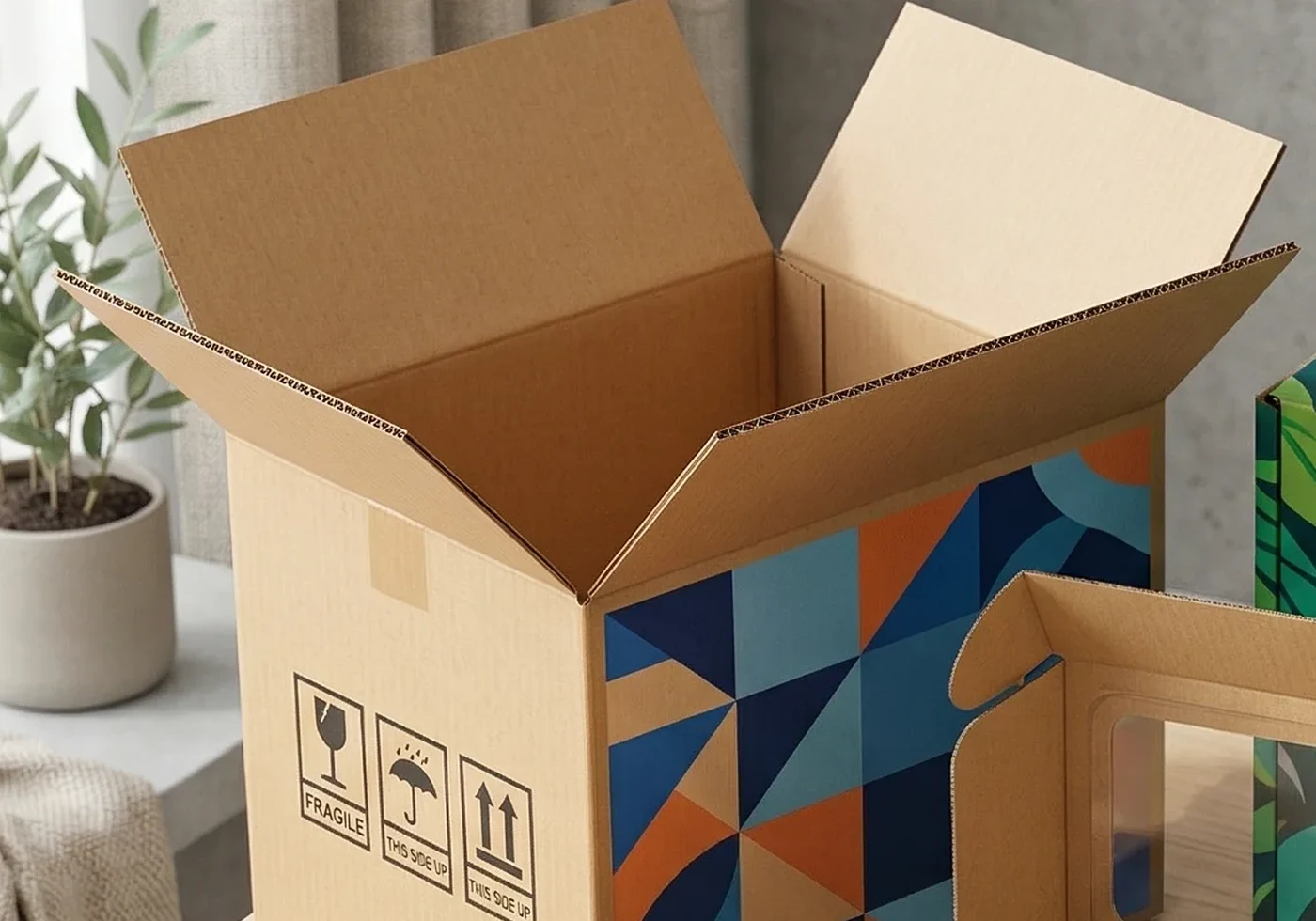
Start with mailer or shipping structures when the outer box travels directly to the customer.

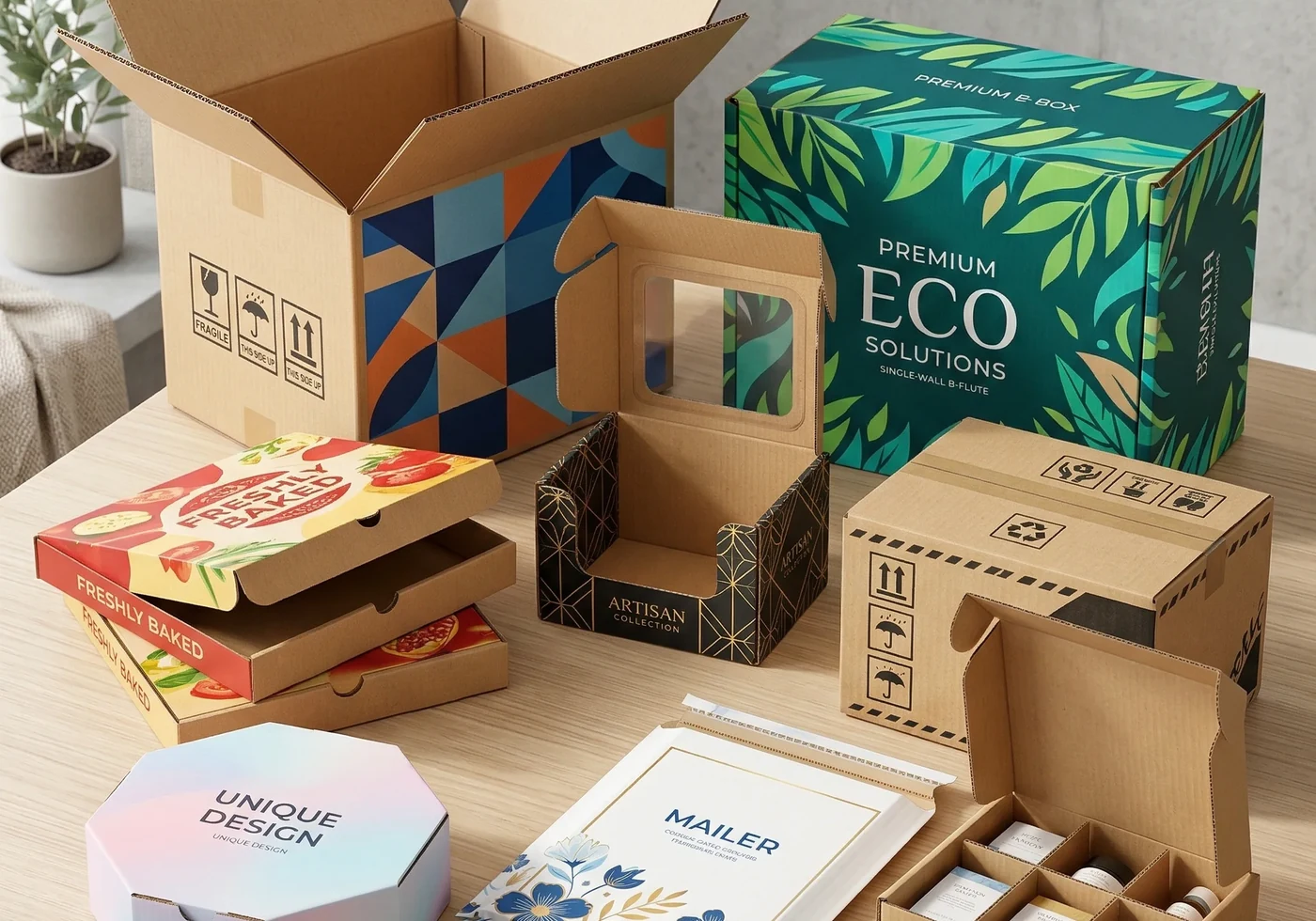
The right custom box starts with the job the packaging has to do. Compare mailer boxes for branded ecommerce, shipping boxes for distribution, folding cartons for retail products, display boxes for point-of-sale presentation and premium structures when the unboxing experience carries more weight.
Choose a starting style below, then refine the dimensions, material, printing, inserts and finish around the actual product.
Choose the closest starting job. The matching structure card below will be highlighted; this is a shortlist tool, not an engineering decision.
Select a job to highlight a starting structure.
For most Los Angeles product brands, the first structural decision falls into one of five groups: mailer boxes, shipping boxes, folding cartons, display boxes or premium/rigid packaging. These are not interchangeable.
Corrugated mailers and shipping boxes prioritize transport and handling; folding cartons prioritize lightweight retail presentation; display boxes organize products at the point of sale; rigid structures prioritize presentation and product reveal. The best choice depends on product weight, fragility, dimensions, sales channel, fulfillment process and the customer experience.
These are the live launch pathways. Specialty structures should only become dedicated pages after capability and useful buyer intent are validated.
Choose the structural family that performs the actual job before choosing decorative effects.
Choose a mailer when the same outer package needs to protect the product and create a deliberate opening experience. Choose a shipping box when distribution strength, stacking, larger dimensions or operational simplicity are the priority.
Closure style, board construction, dimensional efficiency, tape requirements, print area, interior presentation and packing workflow can all change.
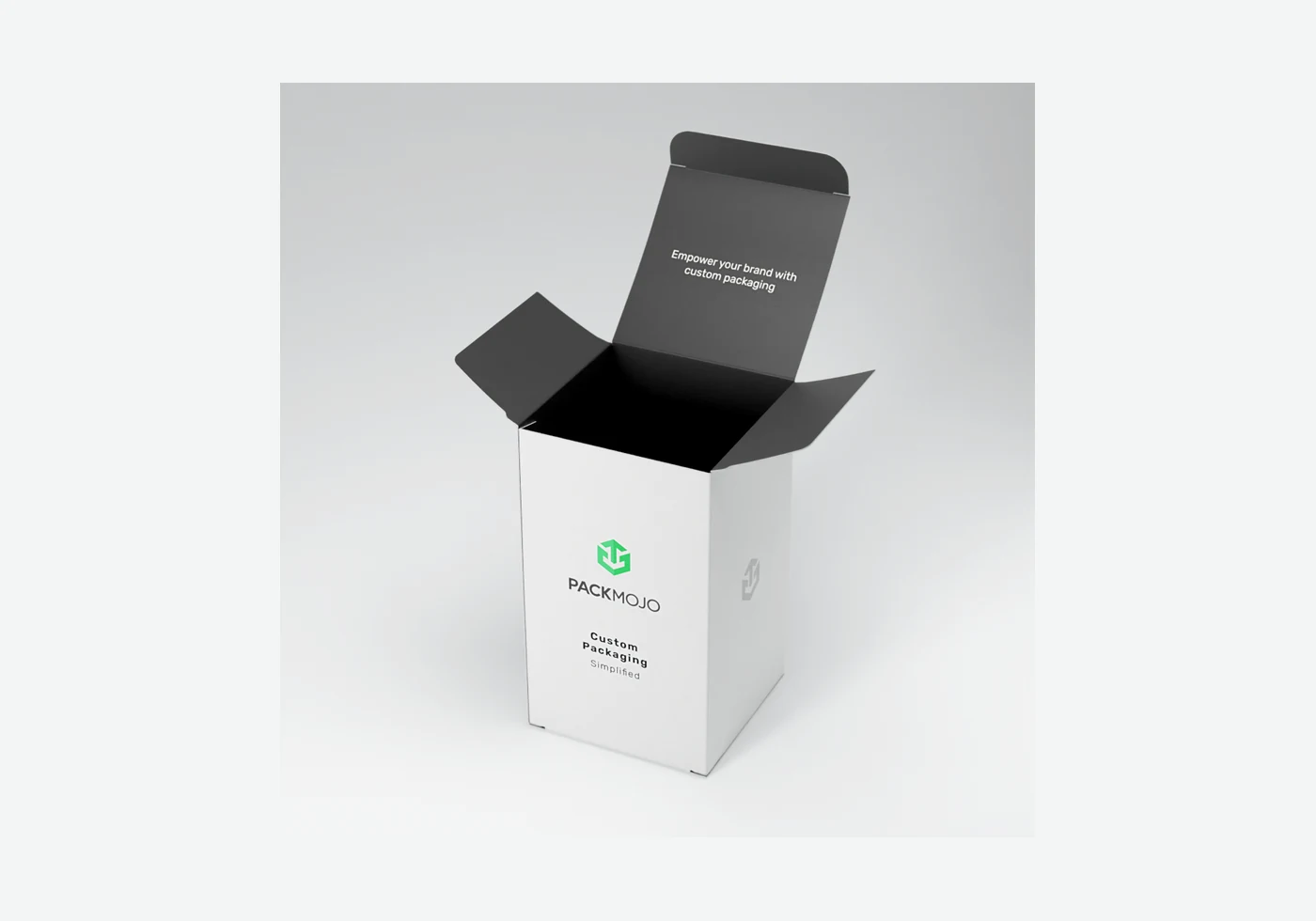
A folding carton is a strong starting point for lightweight products that need efficient flat storage, detailed printed panels and retail presentation. Corrugated structures add a fluted layer and are generally better suited to shipping, handling and products that need more structural protection.
Some brands need both: a branded folding carton around the product and a separate corrugated shipper for ecommerce or distribution.
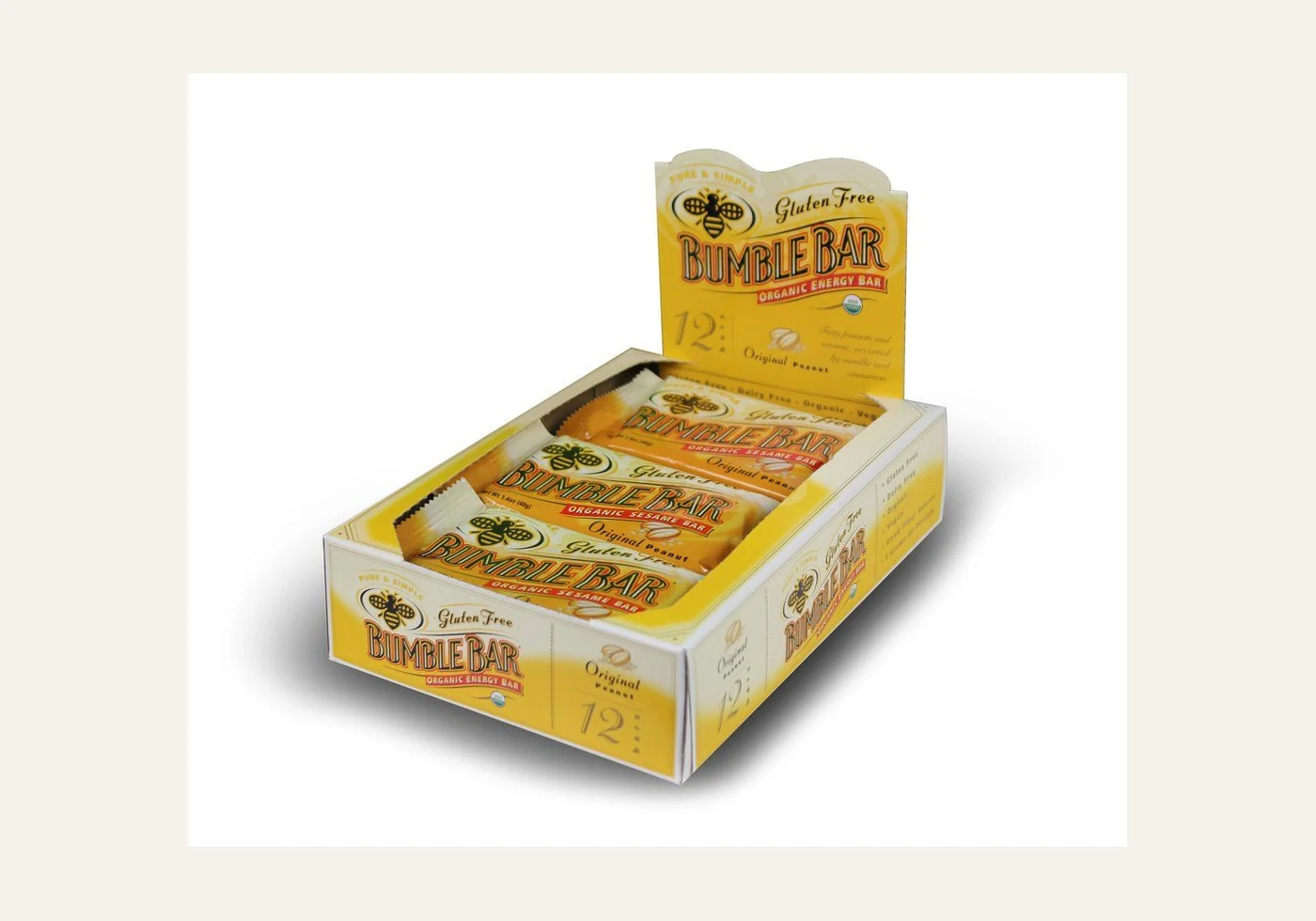
COMPARE MATERIALSA display box is different from a standard product carton because its job includes visibility and merchandising. Counter displays, retail-ready trays and other display structures should be planned around product count, access, stability, replenishment and the viewing angle customers will actually see.
If the display also ships with products inside, test the transport and display modes as one system instead of designing them separately.
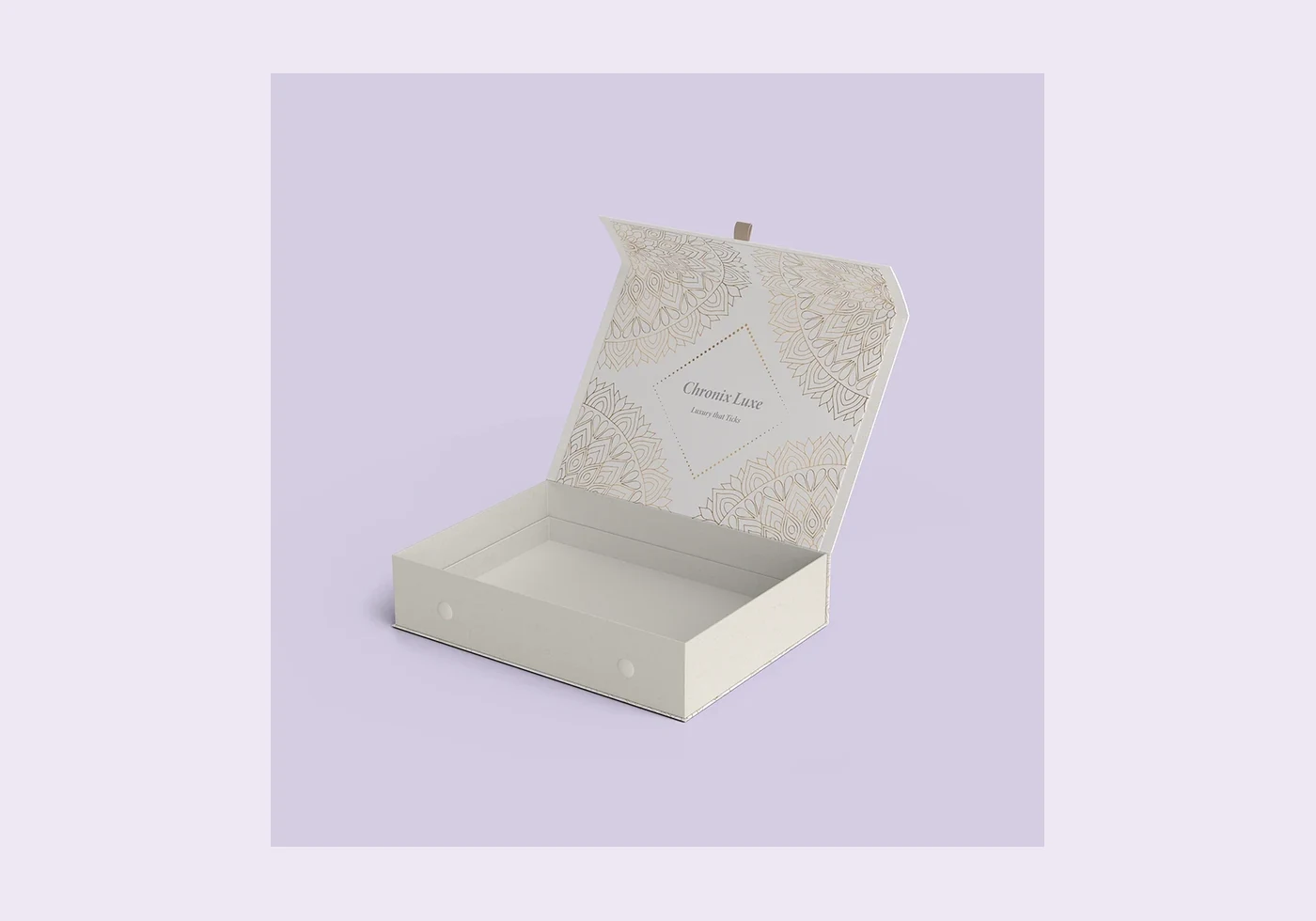
Rigid setup boxes create a substantial premium feel, but they use more material and storage volume than many folding structures. A premium folding carton, sleeve, tray-and-sleeve direction or branded corrugated mailer can be the better choice when strong presentation is needed without the full logistics of rigid packaging.
Choose rigid when its structure and reveal add real value — not because “luxury” appears in the brief.
These are structural directions, not a promise that every style is currently available for every project.
A box name does not fully define how the package performs. Mailer and shipping structures are commonly associated with corrugated board; folding cartons with paperboard; premium rigid boxes with thick board wrapped in printed or specialty paper.
Before approving the dieline, confirm material grade, thickness or flute, print method, finish and product load with the structure. A style that works in one substrate may need different dimensions or construction in another.
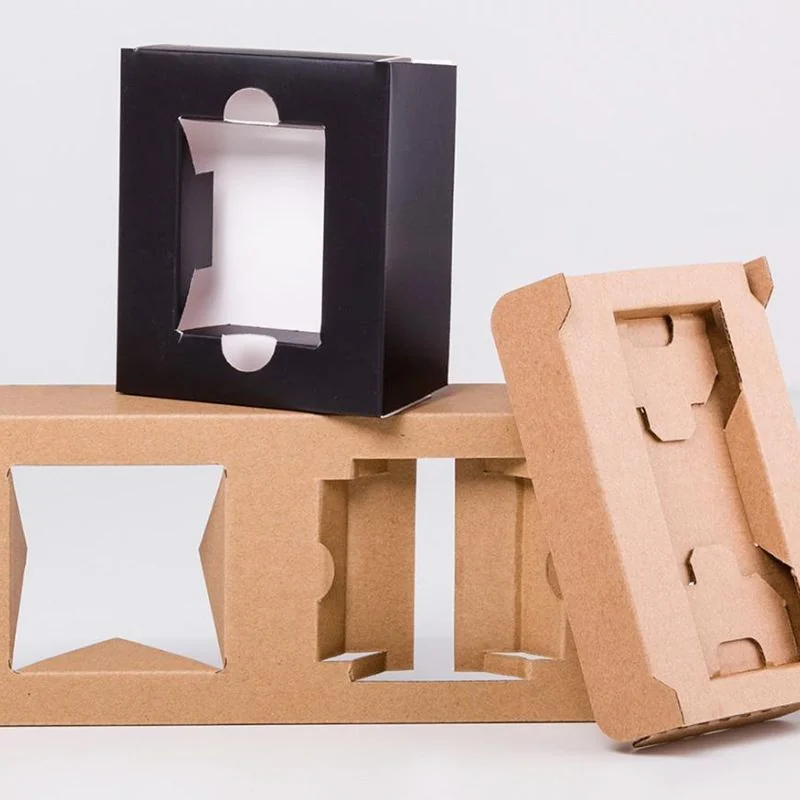
If the product must stay in a precise orientation, arrive as a set, protect fragile components or create a staged reveal, the insert is part of the structure decision — not an accessory added after the box is designed.
Define the product arrangement first, then choose the outer style and internal fit together. This can prevent oversized boxes, unnecessary filler and last-minute dieline changes.
Los Angeles brands may need packaging for ecommerce launches, beauty and wellness, retail shelves, food and bakery, fashion, gifts, electronics or subscription products. The city is the market context; the product journey still determines the structure.
Include your Los Angeles delivery ZIP code, sales channel and fulfillment method in the brief so the recommendation accounts for both the customer experience and how the packaging will be packed, stored and shipped.

Dimensions, weight, fragility and how units are arranged.
Retail, ecommerce, wholesale distribution, display or gifting.
Compare two or three styles that can do the actual job.
Confirm board, dimensions, closure, insert and print area.
Approve dieline/artwork and keep the final structural version for repeat orders.
Clear, standalone answers for common packaging decisions.
You do not need to know the technical box style before requesting a quote. Start with the product and the sales or fulfillment job; the structure can be narrowed from there.
Once the structural job is clear, dimensions, material, printing, finishing and inserts can be customized around the product and brand.