
PRODUCT
Fit and protect the real item.

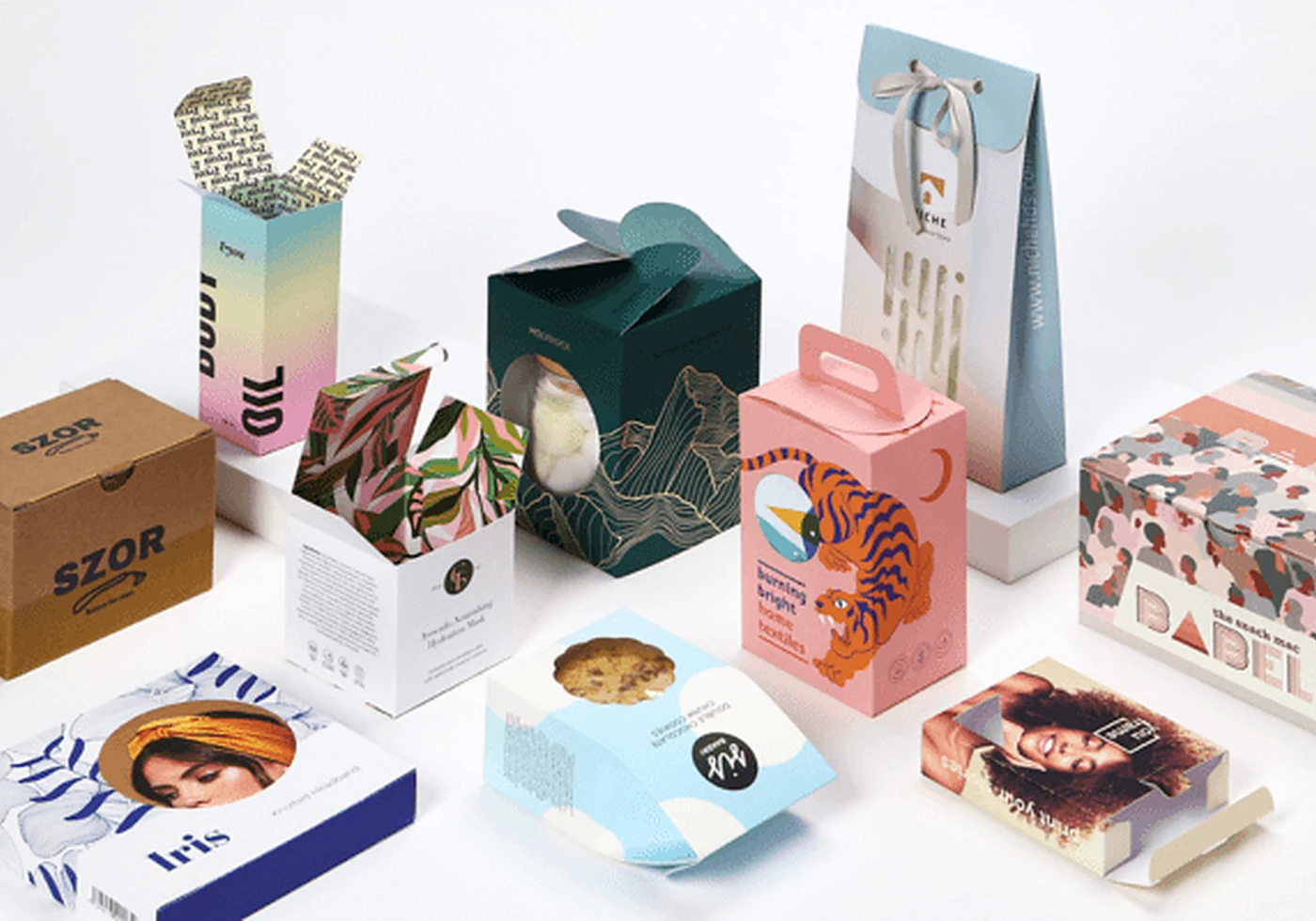
Plan the package around the product, shelf environment, handling, brand system and repeat-order needs.
Choose a structure, material, print and finish that supports presentation without sacrificing fit, pack-out or information clarity.
Final specifications, commercial terms and any capability claims are confirmed against the actual project brief.
Custom retail packaging is designed around a product that will be presented, stocked or sold in a physical retail environment. The structure follows product size, protection, merchandising and information needs.
Fit and protect the real item.
Define how the pack will be seen.
Plan stocking and customer handling.
Reserve clear brand and product information.
Keep SKU and reorder control practical.
Keep brand and product identity on the intended facing panel. Reserve secondary panels for approved product details and operational areas for barcodes, labels or retailer-required information.
Critical text or codes should stay away from folds, seams, glue zones and highly reflective finish areas.
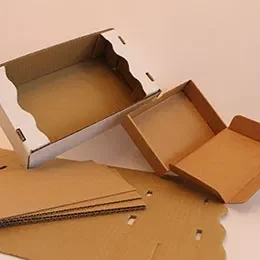
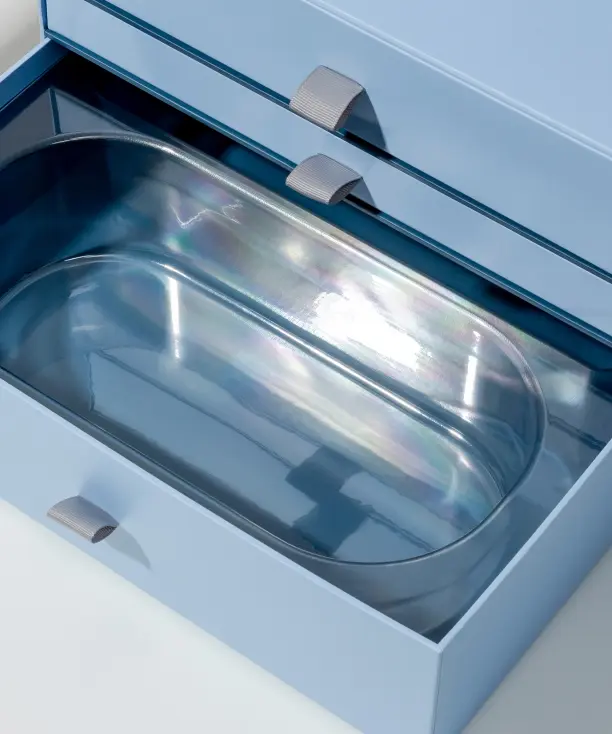
Matte or gloss coatings, foil, embossing, debossing, Spot UV and specialty surfaces can change hierarchy and tactile perception, but compatibility depends on the chosen stock, fold, glue area and production route.
Protect readability first; use premium treatments selectively.
Share the real product, shelf environment, SKU count, artwork status and delivery timing. If a retailer specification exists, upload it with the brief.
Start with the real product, how it will be displayed and the information it must carry. Then choose a structure, material and finish that can be reproduced consistently.