
CORE
Define the solid board family and thickness required for the product and structure.

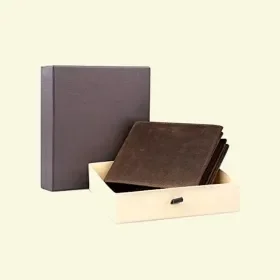
Rigid board creates a substantial set-up package by combining a thick solid board core with a finished outer wrap. It can be a strong direction when presentation, shape retention and a deliberate opening experience matter more than flat-storage efficiency.
Start with the product dimensions, structure, quantity, insert needs and visual direction. Then specify the board, wrap, print and finish as one complete system.
Final dimensions, materials, print routes and capability claims are confirmed against the actual project specification.
Define the solid board family and thickness required for the product and structure.
Choose the exterior/interior paper surface and color expectations.
Select the actual box construction and opening method.
Engineer internal clearance and inserts around the real product.
Add compatible surface effects only after structure and fit are stable.
Rigid board packaging uses a thick solid paperboard or chipboard core that is cut and assembled into a set-up structure, then commonly covered with printed or specialty wrap paper. Unlike a folding carton, the finished box usually keeps its three-dimensional shape instead of being shipped and stored flat.
The board core provides structure; the wrap creates much of the visible print and tactile surface. Inserts, closures and finishes are separate specification decisions.

A rigid set-up box typically combines separate board pieces with wrap or liner papers and adhesives. Edge alignment, wrap registration, seams, corners and internal lining can matter as much as artwork.
For a useful quote, distinguish the board core from the visible paper surface. If the reference depends on a textured, metallic, uncoated or colored wrap, provide it early because that choice can affect printing, finishing and sourcing.
Only structures verified for the actual project should be presented as orderable capabilities. Broader luxury-structure comparison remains on the Luxury Packaging page.
Because rigid-board cores are commonly wrapped, color and artwork should be evaluated on the actual outer paper or specialty surface rather than the core alone.
Critical colors, large solid areas, fine type and reverse-out text should be reviewed with the selected wrap and proofing route in mind.
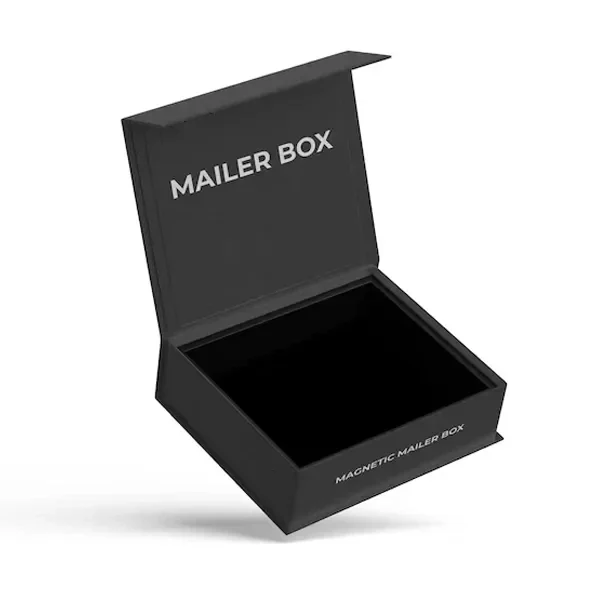
Map all contents, accessories, finger access, orientation and reveal sequence before the cavity is finalized. Inserts should hold the product without making it difficult to remove.
Foil, embossing, debossing, Spot UV, soft-touch or other effects depend on the wrap paper, printing route, artwork and structure. A rigid box already creates visual weight through construction, so selective focal points are usually more useful than stacking effects.
Choose a premium folding carton when a lighter structure and flat storage matter. Choose corrugated when the package must do more transit work. Choose a branded mailer when ecommerce shipping and unboxing need to happen efficiently in one outer format.
A rigid package may include board, wrap paper, adhesives, inserts, laminates, foils, magnets or other components. Environmental claims should describe the finished specification and evidence.
Explore Sustainable Packaging →A physical structure changes how wrap, seams, inserts and opening alignment behave. Save the approved construction and artwork together.
Share delivery ZIP, quantity per SKU, target in-hand date, storage constraints and whether boxes go to your team, a co-packer, retail location, event, fulfillment center or another receiving point.
If you are comparing presentation hierarchy, finish strategy and unboxing across multiple structures, use the broader Luxury Packaging page rather than forcing every premium project into rigid board.
Explore Luxury Packaging →Construction-first answers that separate the board core from the visible wrap and presentation system.
Start with the product, desired structure and fit. If you only have a visual reference, upload it and describe what the box needs to do.
Lock the core, wrap, structure, fit and finish as one repeatable specification. That creates a stronger decision than choosing rigid only because it looks premium.