
PRODUCT
What are we protecting and presenting?

The right package depends on more than what looks good. Product weight, fragility, sales channel, shelf requirements, shipping conditions and the customer experience all change the box, material and print decisions.
Start with your industry to compare packaging directions built around how your product is actually sold and handled.
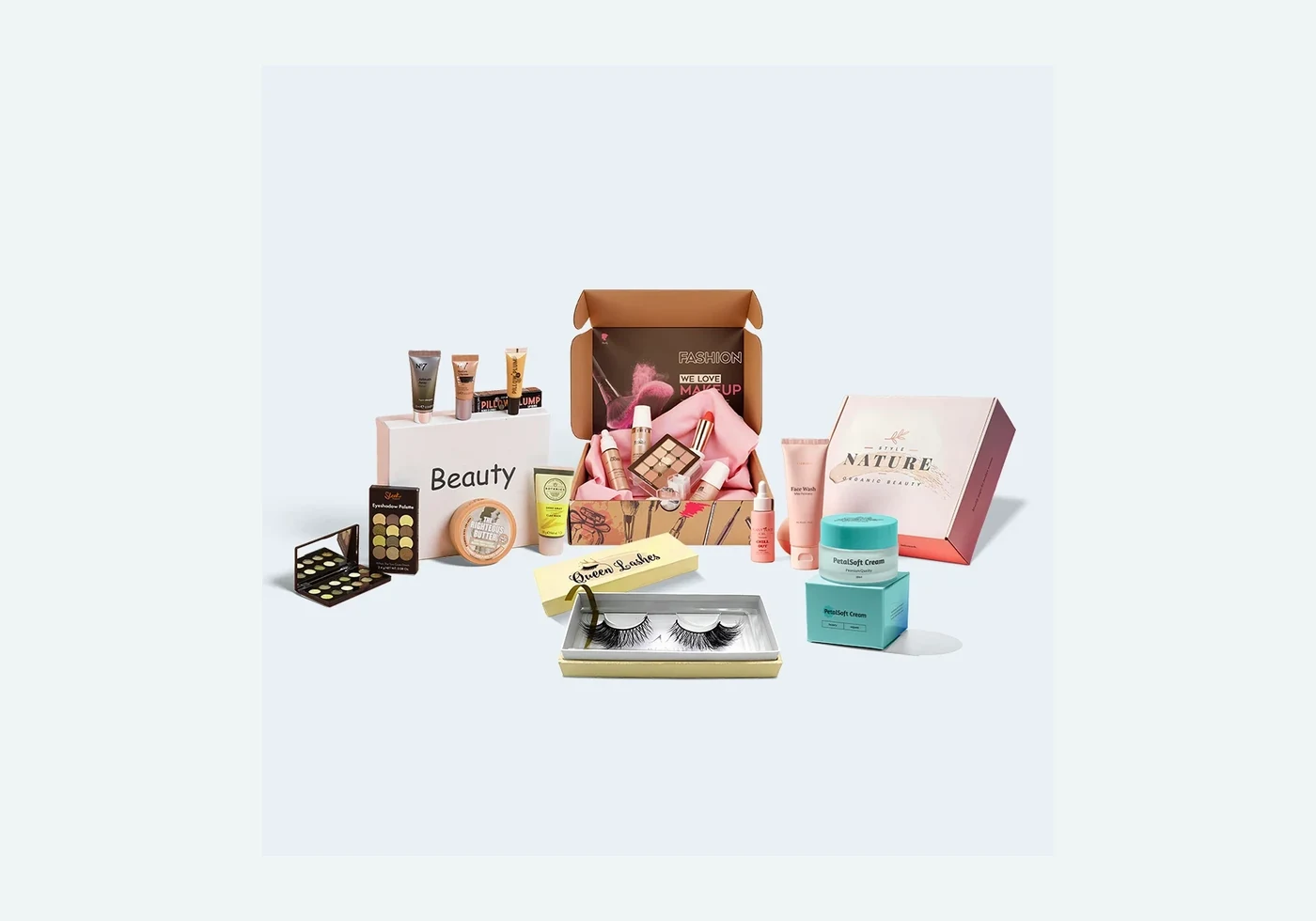
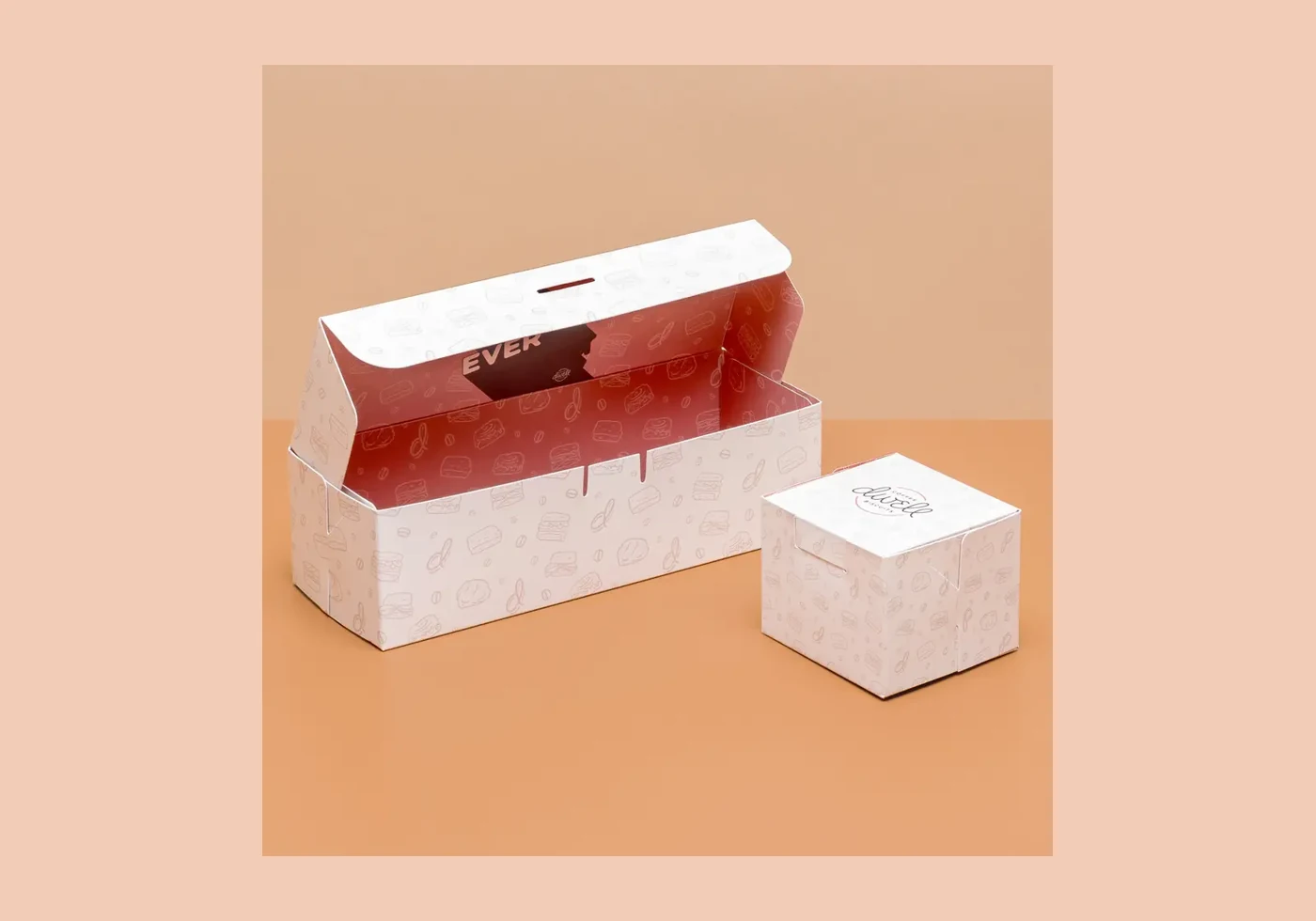
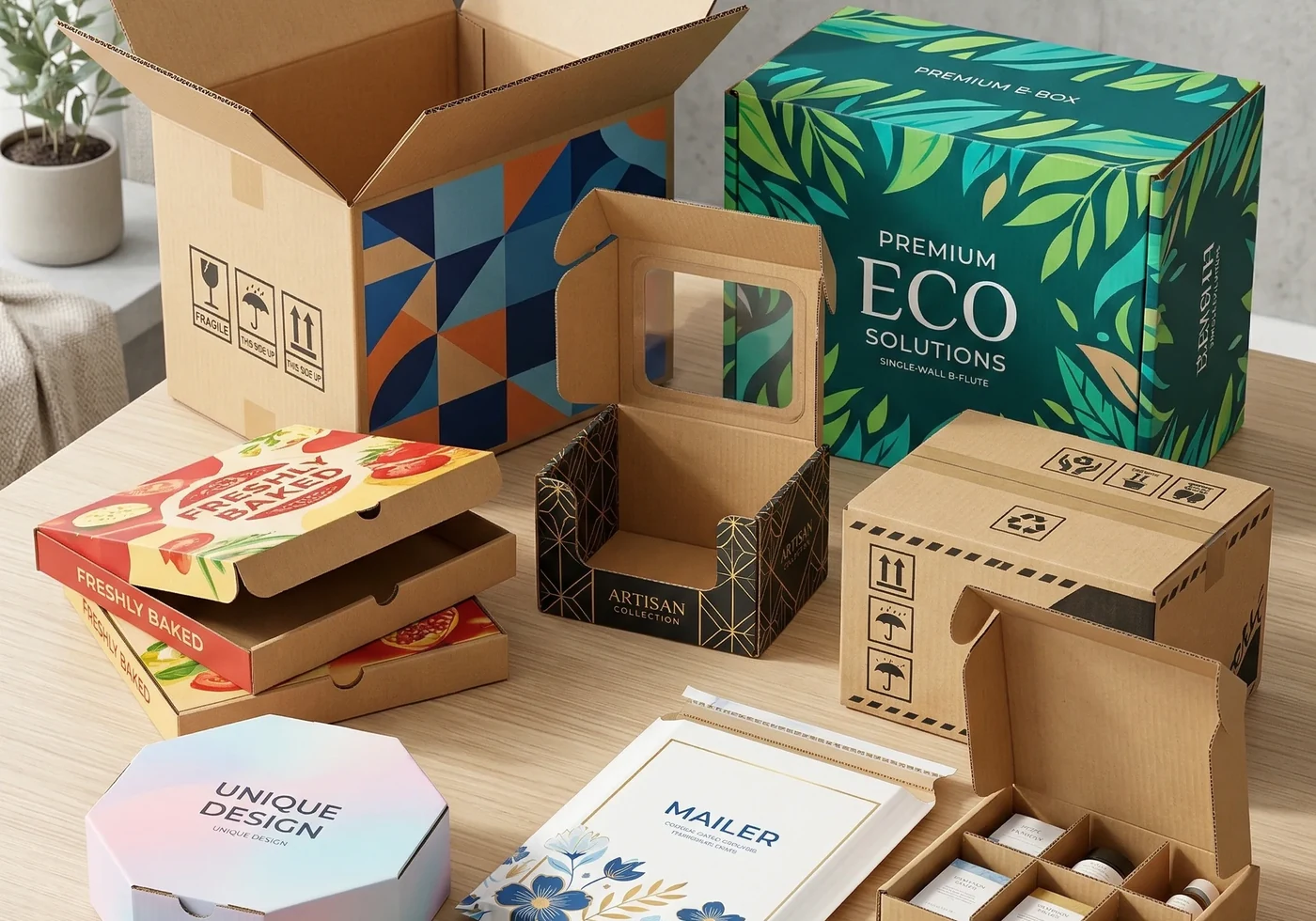
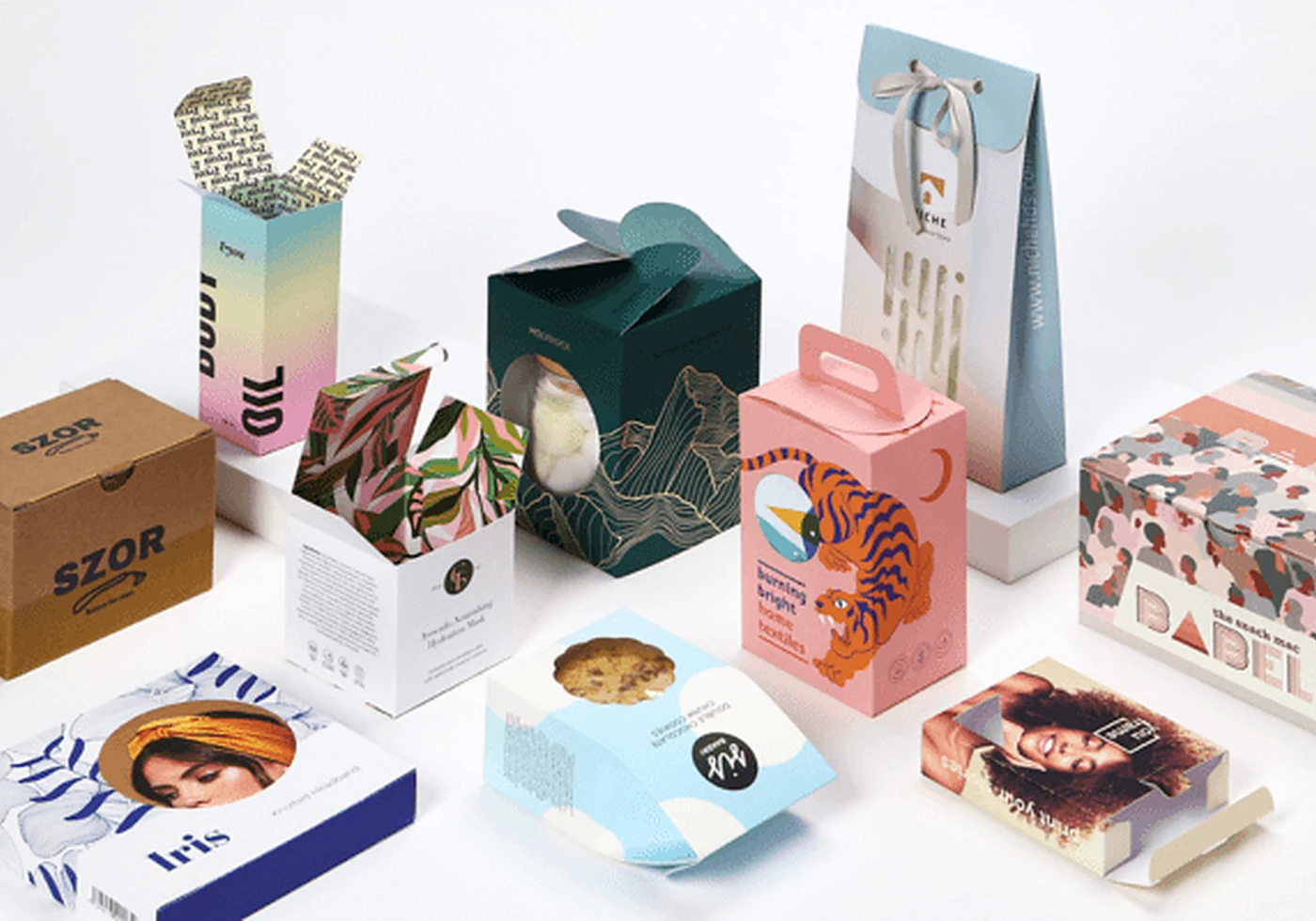
Custom packaging changes by industry because different products face different risks and buying environments. A lightweight beauty carton may prioritize print quality and shelf presence, while an ecommerce order may require corrugated protection and an efficient pack-out.
Food packaging can add product-contact, barrier or labeling considerations, while retail displays must account for visibility, footprint and replenishment. Define the product, channel and risk first — then choose the structure, material and graphics around those requirements.
Use the product category as the entry point, then confirm the actual risk, channel and packaging job.
These are decision priorities, not rigid rules. The final package still depends on the specific product and distribution route.
The same industry can use more than one structural family depending on the sales channel and product risk.
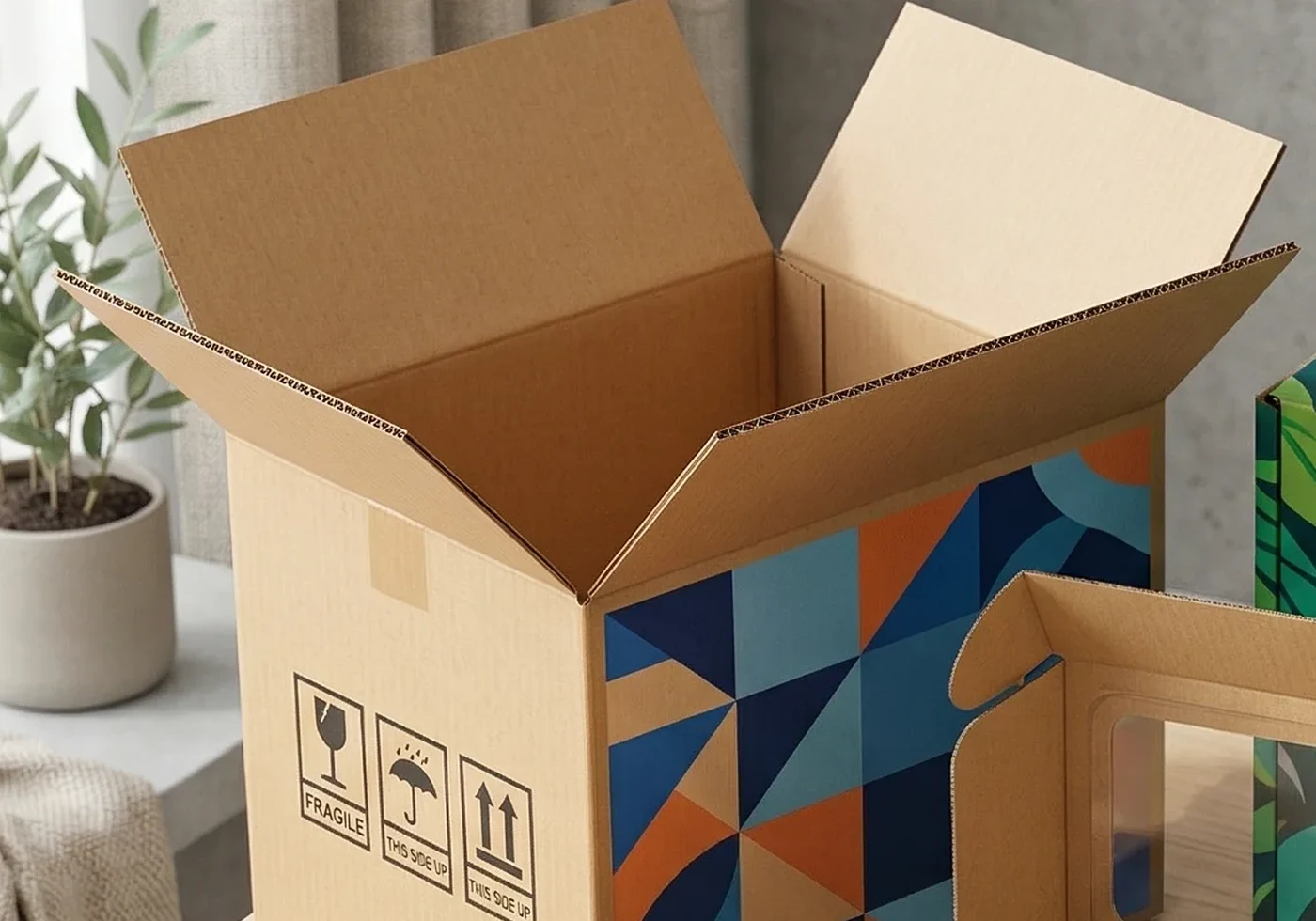

Material is not an industry label. Compare the actual packaging job before locking the substrate.
Retail packaging has to work on a shelf: footprint, visibility, product information and merchandising matter. Ecommerce packaging must survive a distribution journey: fit, movement, closure, corrugated protection and shipping efficiency become more important.
Some brands use a presentation carton inside a separate corrugated shipper. Others design one corrugated mailer to handle both protection and unboxing. The right answer depends on product risk, channel requirements and order economics.
If a Los Angeles brand is launching several products, group SKUs by dimensions, fragility, channel and presentation level. A shared structural family can reduce artwork confusion while still allowing product-specific graphics.
Los Angeles businesses can span direct-to-consumer ecommerce, beauty and fashion launches, food concepts, retail, events and wholesale. The packaging brief should include the actual sales channel, receiving ZIP code, target date, storage constraints and whether the same package must serve more than one channel.
The Packaging Works site is built for Los Angeles buyers, but public copy should describe service and delivery truthfully rather than implying a local factory or office unless that entity information is verified.
A lower-impact packaging direction starts with reducing unnecessary material and right-sizing the package, then choosing documented materials and finishes that fit the product.
A claim about recyclability or compostability should be based on the finished package and current guidance — not simply copied from the name of the base paper.
Dimensions, weight, components, fragility and presentation level.
Retail, ecommerce, subscription, wholesale, events or gifting.
Based on real handling and display requirements.
Dieline, artwork, product information and visual review.
Quantity, approved specification, delivery details and version control.
Clear, standalone answers for common packaging decisions.
You do not need to know the box name before requesting a quote. Start with the product, how it will be sold and what the package must do. The structure and material can be narrowed from there.
Your industry tells us where to look first. The product, channel and risk determine the final structure.