
PRODUCT
Record the beauty item, dimensions, weight, fragility and set components.

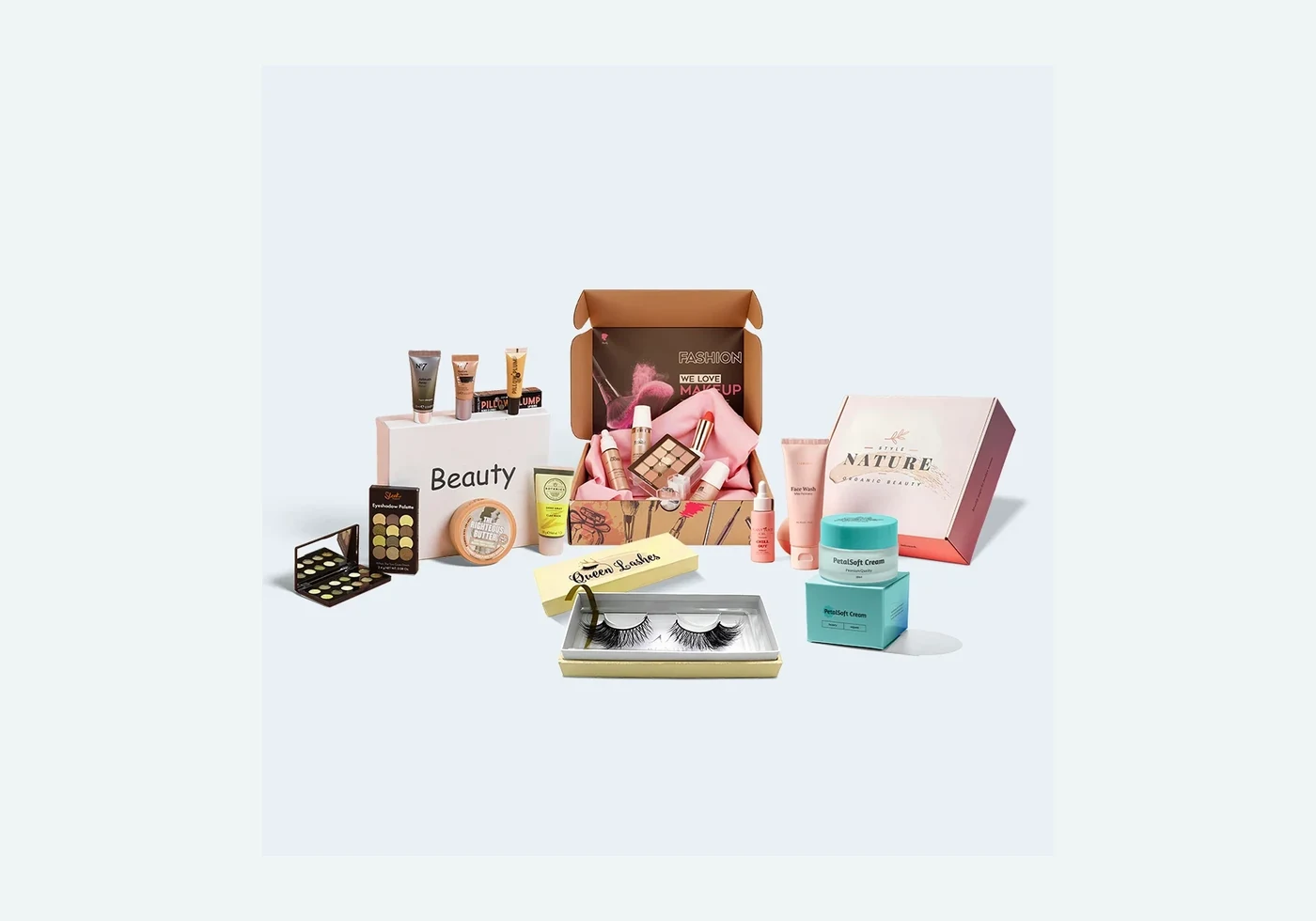
Build the secondary package around the beauty product that already exists: its bottle, jar, tube, compact, palette or set. Plan product fit, structure, material, artwork, inserts, finishes and the way the package will be sold or shipped.
Start with primary-container dimensions, quantity per SKU, retail/ecommerce channel and artwork status. Choose the box system around those inputs instead of choosing a finish first.
Final dimensions, materials, print routes and capability claims are confirmed against the actual project specification.
Record the beauty item, dimensions, weight, fragility and set components.
Identify the bottle, jar, tube, pump, compact or palette geometry.
Set internal clearance, orientation and insert needs.
Plan shelf/ecommerce panels, brand color, product copy, barcode and variant information.
Confirm retail, ecommerce, gifting or PR so the outer system is designed correctly.
Custom cosmetic packaging is the box, carton, presentation package or shipping system designed around a beauty product and its primary container. For many products, the custom box is secondary packaging: it protects and presents the bottle, jar, tube, compact or other container rather than holding the formula directly.
A useful specification connects physical fit, consumer-facing graphics, required information, retail/ecommerce handling and repeat SKU control.
A cosmetic bottle or jar may already carry product-contact and functional responsibilities. The secondary carton has a different job: presentation, handling protection, additional communication space and efficient packing.
Measure the real filled product and primary container—not only nominal volume. Caps, pumps, droppers, shoulders and protrusions can change the internal dimensions.
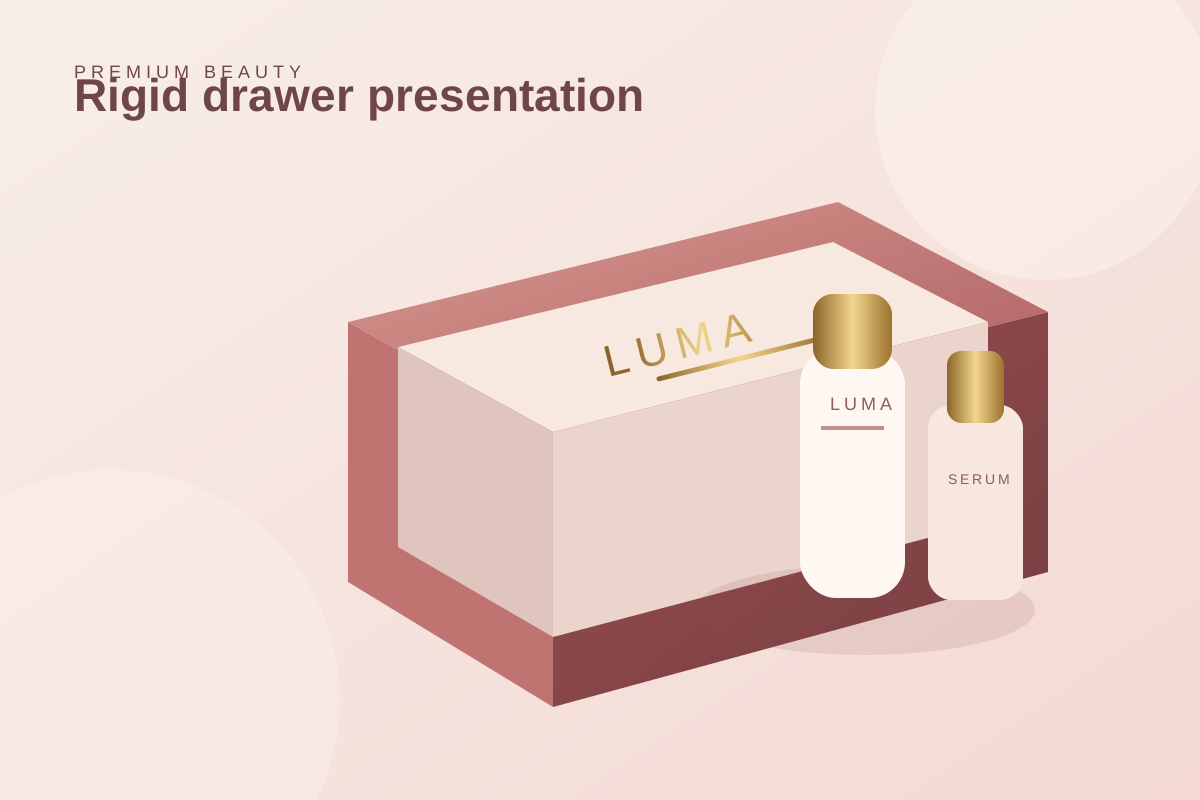
Internal fit should control movement without crushing labels, pumps, caps or decorative surfaces. For sets, map every component and the order the customer removes them.
Reserve real printed area for brand, product, barcode/QR, shade or variant identifiers and other approved information before decorative artwork fills the panels. TPW should not determine legal cosmetic-label requirements unless that expertise is separately established.
One structural size may carry many shades, scents or formulations, while other SKUs need different dimensions.
Lock the approved dieline by physical size.
Separate quantity by shade, scent or artwork version.
Use controlled file naming for each version.
Confirm text, barcode and color on the correct artwork.
Reference the approved dieline + artwork revision for every SKU.
Beauty packaging often relies on precise color systems and small visual differences between variants. Critical colors should be reviewed against the actual substrate and proofing method.
Foil, embossing, debossing, Spot UV, lamination or soft-touch can create focal points, but compatibility must be verified. Disciplined typography, proportion and surface quality can feel premium without stacking every finish.
Beauty projects combine physical fit, small text, color and many artwork versions. Approval needs to cover both structure and graphics.
Include delivery ZIP, target in-hand date, quantity per SKU and where boxes will be packed or received. If claims, shades or artwork are still changing, identify the last realistic lock date.
Right-size the secondary carton and reduce unnecessary components before evaluating documented material attributes. Coatings, windows, foils, adhesives and inserts can change environmental claims.
Explore Sustainable Packaging →Fit-first answers for secondary packaging, variants, materials and channel planning.
Start with the beauty product and primary container. If structure or material is undecided, leave those open and describe the channel and presentation job.
When product fit, information, artwork versions and channel are clear, the structure and finish become easier to choose—and easier to reproduce on the next run.