

LOW-MOQ PACKAGING FOR LOS ANGELES BRANDS
Low MOQ Custom Boxes in Los Angeles
Start with the quantity your launch actually needs—not the quantity a generic packaging rule tells you to buy. The Packaging Works helps Los Angeles brands plan low-MOQ custom boxes for product launches, test runs, seasonal releases and growing small businesses, with structure, size, material, printing and finishing choices built around the product.
If the packaging is still being tested, tell us what you need to learn from the first run: product fit, artwork, customer response, retail presentation, shipping performance or a future scale plan.
- Test before you scale
- Order around the campaign
- Keep the specification scalable
- Control inventory risk
Direct Answer
What Are Low MOQ Custom Boxes?
Low MOQ custom boxes are custom packaging that can be produced in a smaller quantity than a traditional high-volume packaging run. The boxes can still be customized by size, structure, material, printing, artwork and finish; “low MOQ” describes the production quantity, not a separate box style.
The minimum quantity is not universal. A practical MOQ depends on box structure, dimensions, board, print process, finishing steps, setup requirements and how many artwork or size versions are included. The useful question is what quantity gives you enough packaging to learn from the launch without creating unnecessary inventory.
Quantity Planning
The Minimum Order Quantity Is Not Automatically the Right Order Quantity
MOQ tells you the smallest quantity a production route can accept. It does not tell you how many boxes your business should buy.
Choose the order quantity by combining the packaging minimum with expected sales, campaign length, storage space, cash flow, artwork stability and risk of product details changing. A small technical minimum can still be the wrong business quantity for a fast-moving launch.
Who Low-MOQ Packaging Is For
When Does a Short Run Make More Sense Than a Bulk Order?
Product Discovery
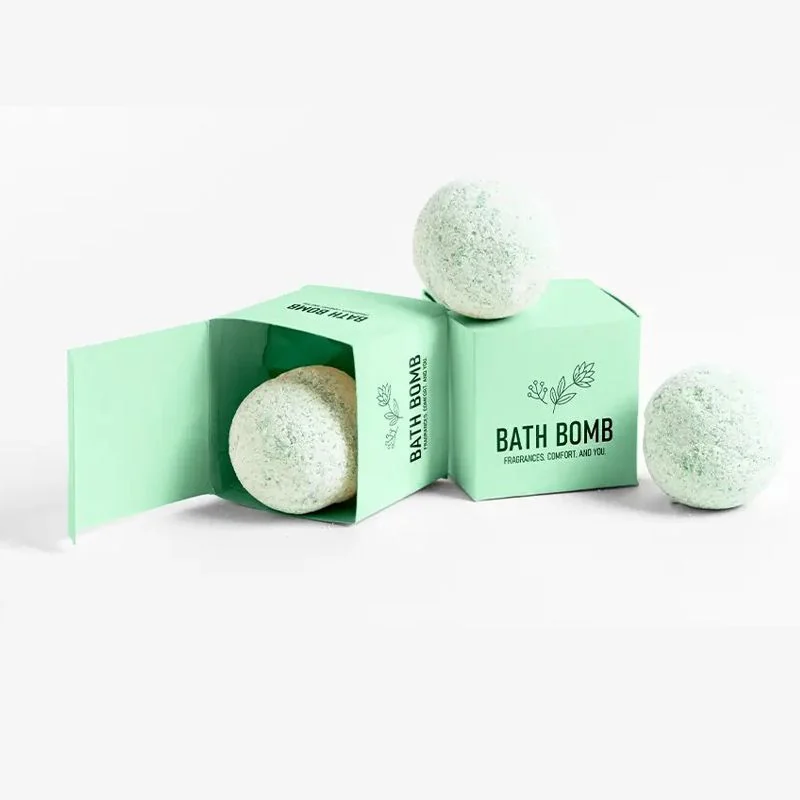
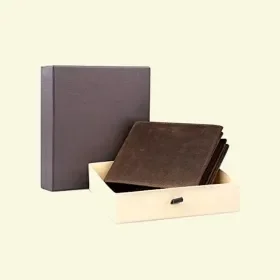
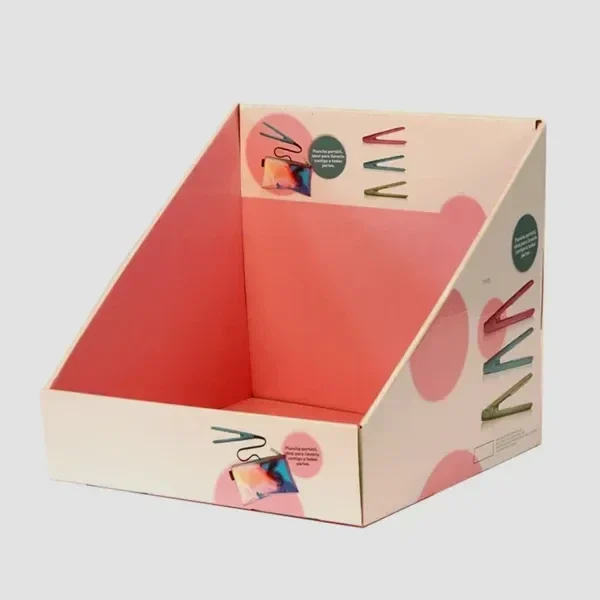
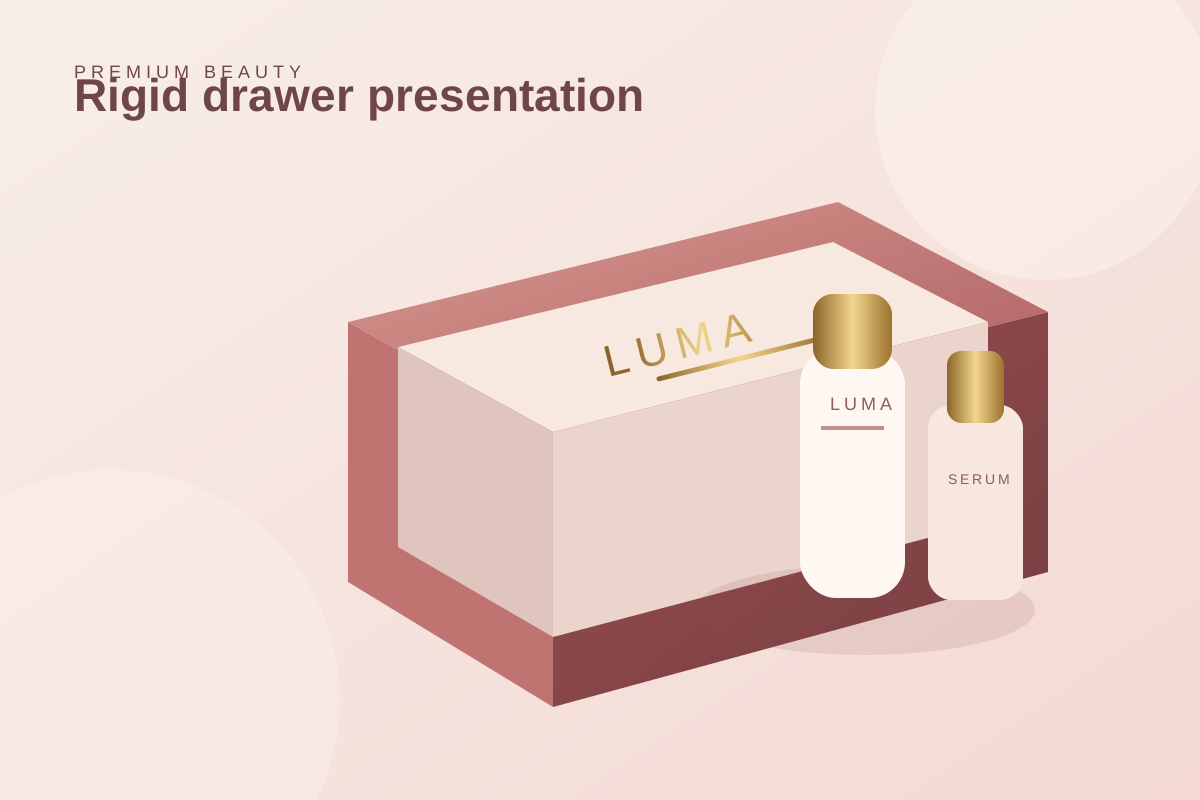
Low-MOQ Box Styles for Different Launches
Choose the structure around what the first run needs to prove.
View All Box Styles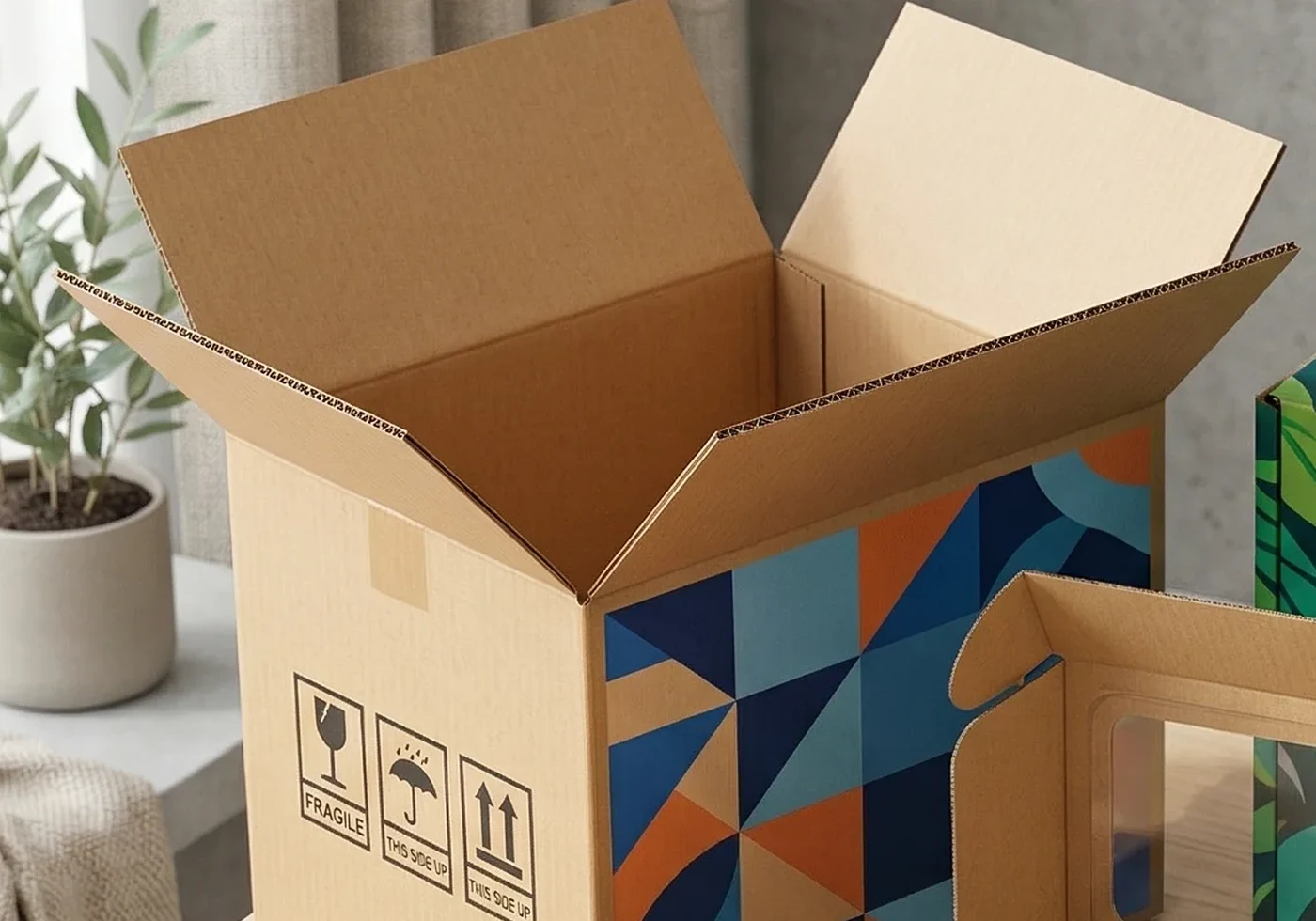
Sample vs Short Run
Do You Need a Sample, a Prototype or a Short Production Run?
Option
What It Helps You Learn
Best Use
Sample / Prototype
Structure, size, material direction, artwork position or selected finish.
Packaging validation before production.
Short Production Run
Packing time, storage, labeling, fulfillment handling, customer response and real inventory behavior.
A real launch, small batch, campaign or operational test.
If the goal is to scale later, keep the tested dimensions, structure and critical material/print decisions close to the version you expect to scale.
MOQ Drivers
Why Does the Minimum Order Quantity Change From One Box to Another?
Cost-Control Levers
How to Keep a Small Custom-Box Run Practical Without Making It Look Generic
Print Decision
Does Digital Printing Make Sense for Low-Quantity Custom Packaging?
Digital printing is often considered for shorter runs because it can avoid some plate-based setup and can support full-color artwork efficiently at lower quantities. Offset printing can become attractive when the specification and volume justify its setup, color requirements or production economics.
The correct print route still depends on box material, artwork, color expectations, quantity and finish. Tell us whether the priority is full-color graphics, a critical brand color, multiple artwork versions, budget control or future repeat volume.
Materials & Finishes
Choose Materials and Finishes Around the Test You Are Running
For a test run, prioritize only the material and finish decisions you actually need to validate before scaling.
Pilot → Learn → Lock → Scale
Use the First Packaging Run as a Controlled Learning Cycle
Testing Checklist
What Should You Actually Test Before Ordering More Boxes?
A small run creates the most value when the test has a clear question. Do not try to change every variable at once.
- Product fit — secure without unnecessary empty space or pressure.
- Packing & fulfillment — easy to assemble, pack, label and ship.
- Artwork & readability — logos, barcodes, QR codes and required text work at real size.
- Customer experience — opening sequence and presentation match the intended brand experience.
- Retail / display performance — package communicates clearly on shelf or counter.
- Version expiry — labels, claims, sizing, dates or campaign messaging may change soon.
Multi-SKU Planning
Planning a Small Run Across Multiple SKUs?
A low total quantity can become operationally complex when divided across many sizes or artwork versions. Separate the project into one structure with multiple artworks, multiple sizes using the same visual system, one outer package with different labels/inserts, or genuinely different structures.
Ask for the quantity per version—not only the combined total. Production setup, proofing and unit economics can change when 200 boxes are one artwork versus four artworks at 50 each.
Industry Paths
Low-MOQ Packaging for Different Product Categories
Start with the product category, then confirm the structure, material, print and operational requirements around the actual product.
Cosmetics & Beauty
Useful for new skincare, makeup, fragrance or wellness SKUs where artwork, shade/variant labeling and presentation may evolve.Explore direction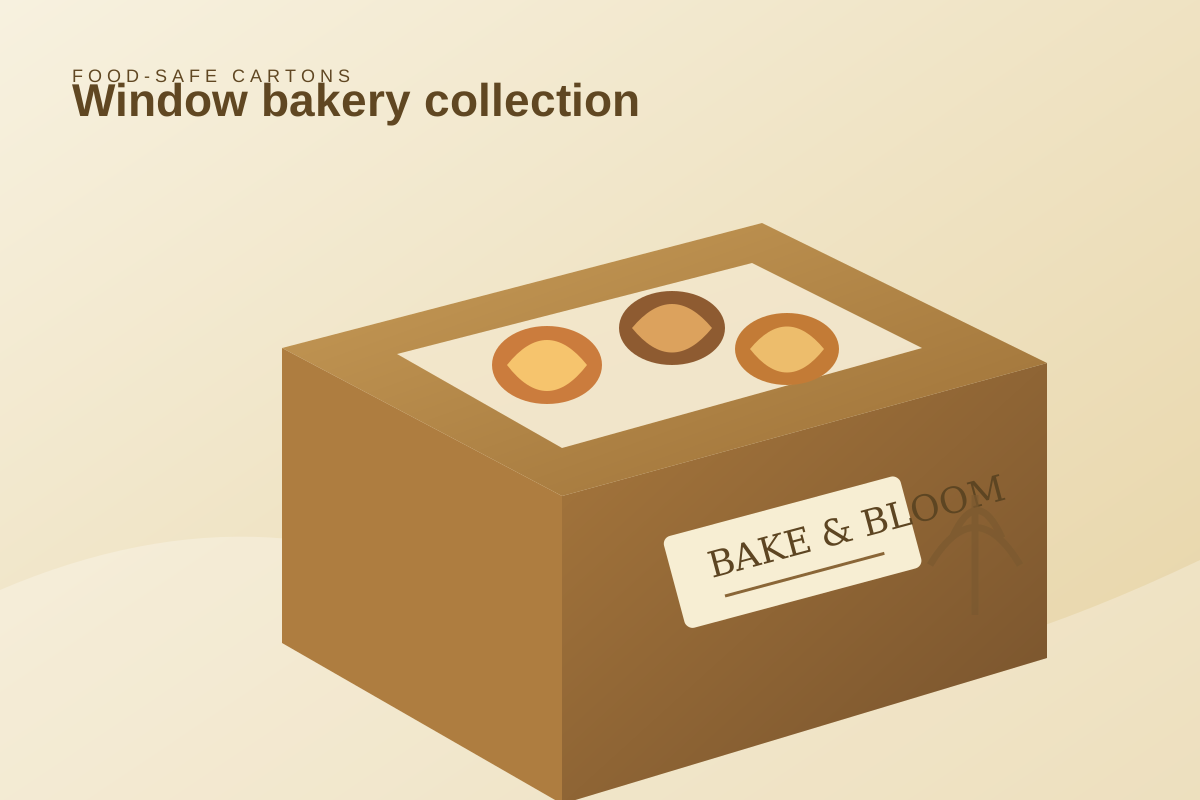
Food & Bakery
Useful for new product lines, gifting, launches and promotional packaging where material requirements must be confirmed separately.Explore direction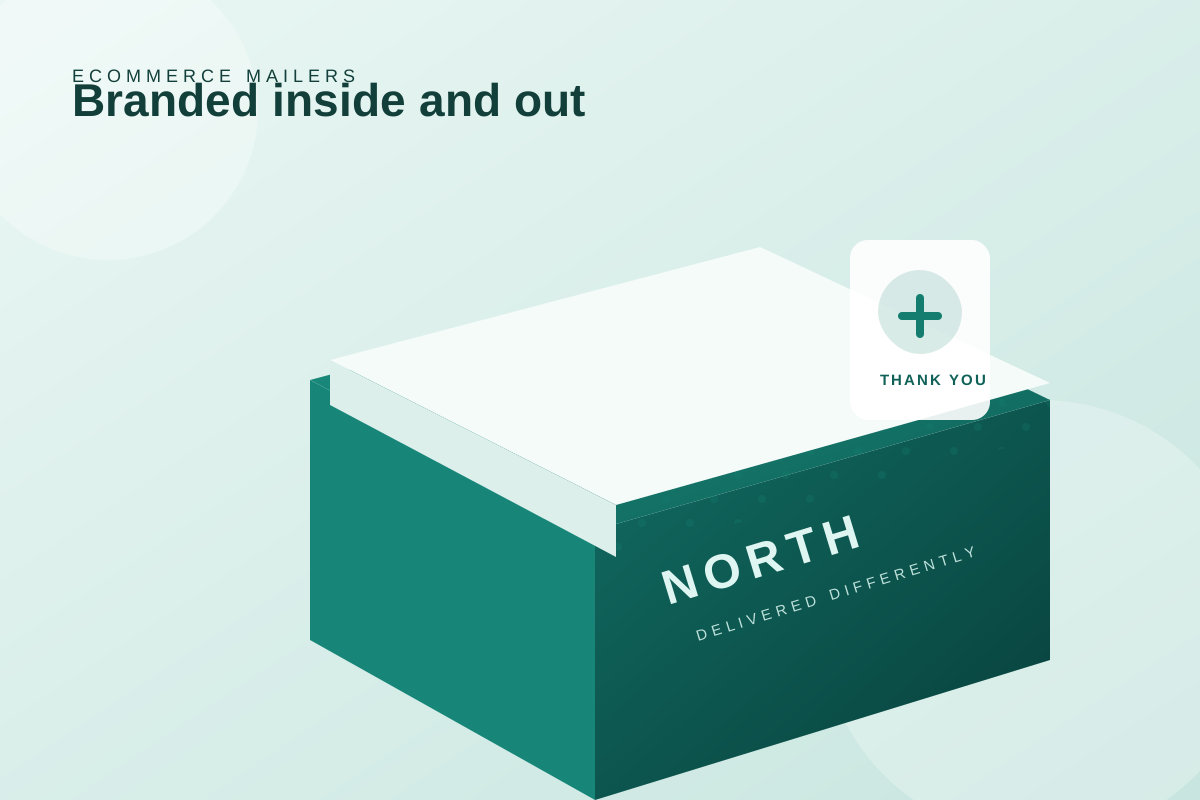
Ecommerce & Subscription
Useful for testing mailer size, packing workflow, inserts and branded unboxing before recurring fulfillment volume.Explore directionRetail
Useful for testing shelf presentation, product fit and printed information before a wider rollout.Explore directionSmall-Run Packaging for Los Angeles Product Launches
Los Angeles brands may launch around ecommerce drops, retail placement, beauty and wellness products, food concepts, fashion, events, PR campaigns and creator-led releases. Those use cases can have very different inventory windows even when the box quantity is similar.
For a Los Angeles low-MOQ quote, include the delivery ZIP code, target launch or event date, how the boxes will be received, and whether the first quantity is a one-time campaign or the beginning of a repeat program.
Can a Smaller Run Reduce Packaging Waste?
A smaller run can reduce obsolete inventory when demand is uncertain or packaging may change, but low quantity alone does not make a package environmentally preferable.
Evaluate the complete package: material use, structure, documented recycled content where applicable, coatings, inserts, shipping efficiency and end-of-life considerations.
Explore Sustainable PackagingScale Readiness
When Is It Time to Move From a Short Run to Wholesale Packaging?
Consider a larger or repeat quantity when the packaging specification is stable and the business has enough evidence that the inventory will be used.
Compare Wholesale Custom Boxes- Product dimensions and internal fit are stable.
- Artwork and required product information are unlikely to change before inventory is used.
- The same SKU or package is selling consistently.
- Fulfillment feedback has not revealed a structural problem.
- Storage and cash flow can support the larger quantity.
- Material, print, color and finishing expectations are documented.
- Approved dieline and artwork revision are saved for reorder.
Small-Run Process
A Low-MOQ Packaging Process Built Around the Decision You Need to Make
Define the Test or Launch
Share product, quantity range, target date, sales channel and what the first run needs to prove.
Narrow the Box Specification
Choose structure, dimensions, material, print direction and only the finishes that support the use case.
Prepare / Review Dieline & Artwork
Confirm panel layout, folds, seams, artwork placement, version information and production notes.
Review Proof / Sample
Check structure and artwork details that matter before the short run is released.
Run, Use & Record Feedback
Use boxes in the real launch and document fit, packing, presentation and customer/operations feedback.
Lock or Revise Before Reordering
Save the approved specification if it works; revise the exact problem if it does not.
Frequently Asked Questions About Low MOQ Custom Boxes in Los Angeles
Clear, standalone answers for common buying decisions.
Low MOQ means a custom packaging supplier can produce the selected package at a smaller minimum quantity than a traditional high-volume run. The exact minimum can vary by structure, material, printing, finish, size and artwork versions.
The exact minimum should be confirmed for the selected structure and production specification rather than presented as one universal number. Include the quantity you need in the quote request.
A sample is mainly used to review structure, size, material direction, artwork or finish. A short run produces enough finished packaging for an actual launch, campaign or operational test.
No. Smaller runs can also be useful for established brands testing a new SKU, seasonal artwork, limited edition, PR campaign, event or packaging revision.
A small run can carry more setup cost per box because artwork preparation, proofing, production setup and finishing work are spread across fewer units.
Potential short-run styles include mailer boxes, folding cartons, display boxes, shipping boxes, printed product boxes and some premium presentation structures, subject to the exact specification.
Digital printing is often considered for shorter runs, but it is not automatically the best route for every package. Material, color expectations, finishing and future volume also matter.
Multiple artwork versions may be possible, but quantity per version matters. List each SKU, size and artwork version separately in the quote request.
Yes. A small run can validate product fit, packing workflow, artwork, customer response and inventory assumptions before a larger order.
Turnaround depends on artwork readiness, proof approval, structure, material availability, quantity, printing, finishing and delivery requirements.
Start with product dimensions, quantity or quantity range, preferred box style if known, artwork status, printing needs, delivery ZIP code and target launch date.
Move toward a larger or repeat run when product fit, artwork and packaging specification are stable, sales are consistent enough to use inventory, and storage and cash flow support the quantity.
Ready to Start?
Request a Low-MOQ Custom Box Quote in Los Angeles
Send what you know now. If the structure, material or print method is not final, tell us what the first run needs to accomplish and leave those choices open.
Build Your Low-MOQ Custom Boxes Brief
Final Call to Action
Start Small With a Packaging Specification You Can Scale
Start with the product and the real launch quantity, test the decisions that matter, keep the approved specification, and scale only when the package and demand are ready.