
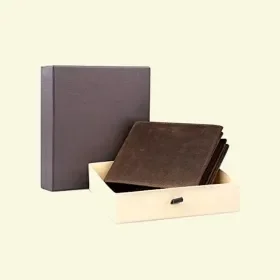
Paperboard / Cardboard
A practical direction for folding cartons and many retail products where print area and folding efficiency matter.
Explore paperboard
Create packaging that carries your brand from the first glance to the unboxing. The Packaging Works helps Los Angeles businesses customize the box style, dimensions, material, artwork, color and finishing details around the product — whether you need printed mailers, folding cartons, rigid presentation boxes, shipping packaging or retail displays.
Start with your product and artwork. If you are still deciding on the structure or material, include the product dimensions, quantity and how the box will be used, and we can build the packaging brief from there.
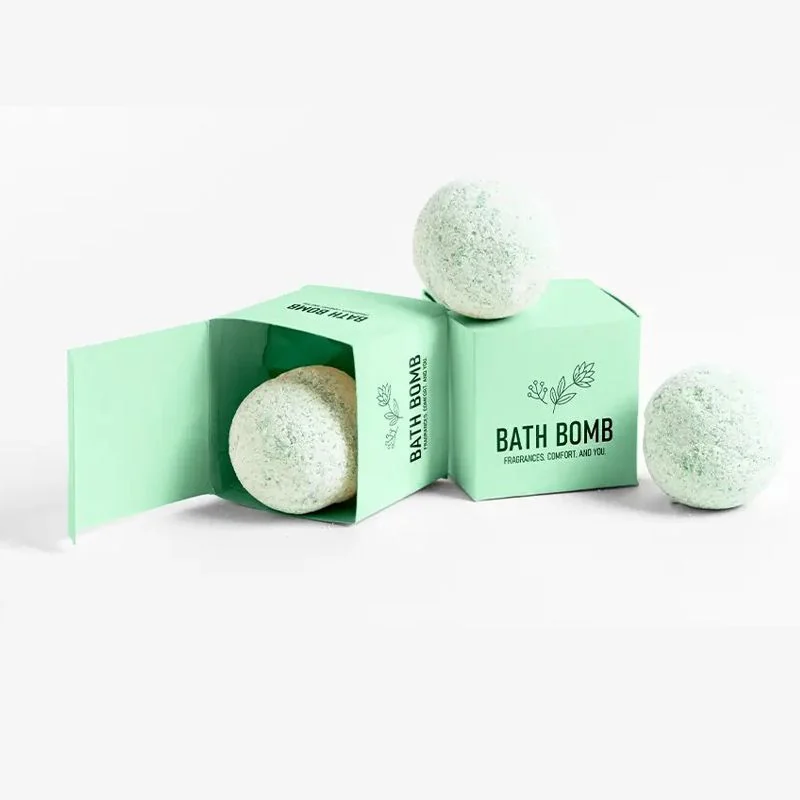
Custom printed boxes are packaging structures produced with brand-specific artwork, colors, logos or product information instead of remaining plain stock packaging. The printing is applied to a selected box structure and material, so dimensions, board type, print method, color requirements, finishes and the way the package will be used all matter.
For a Los Angeles brand, the practical first decision is not “Which finish looks best?” It is “What does this package need to do?” A shipping mailer, retail carton and premium rigid box can carry the same logo but require different structures and production choices.
Start with the structure, then build the print and finish around it.
View All Box Styles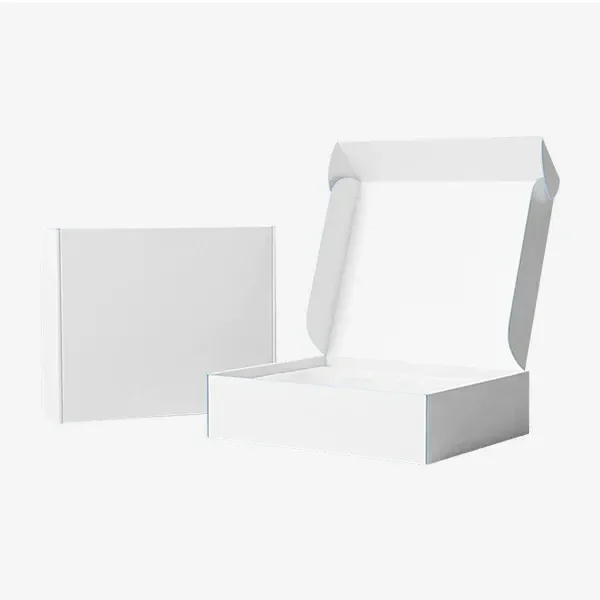
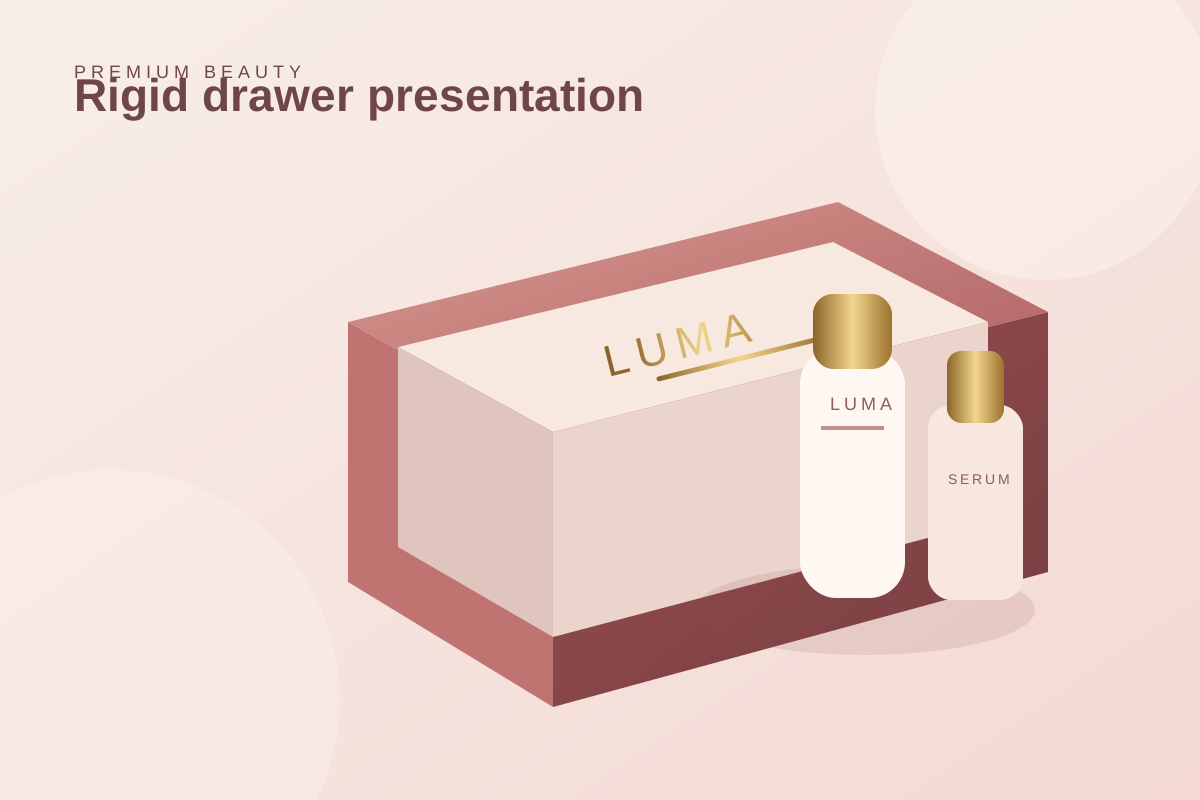
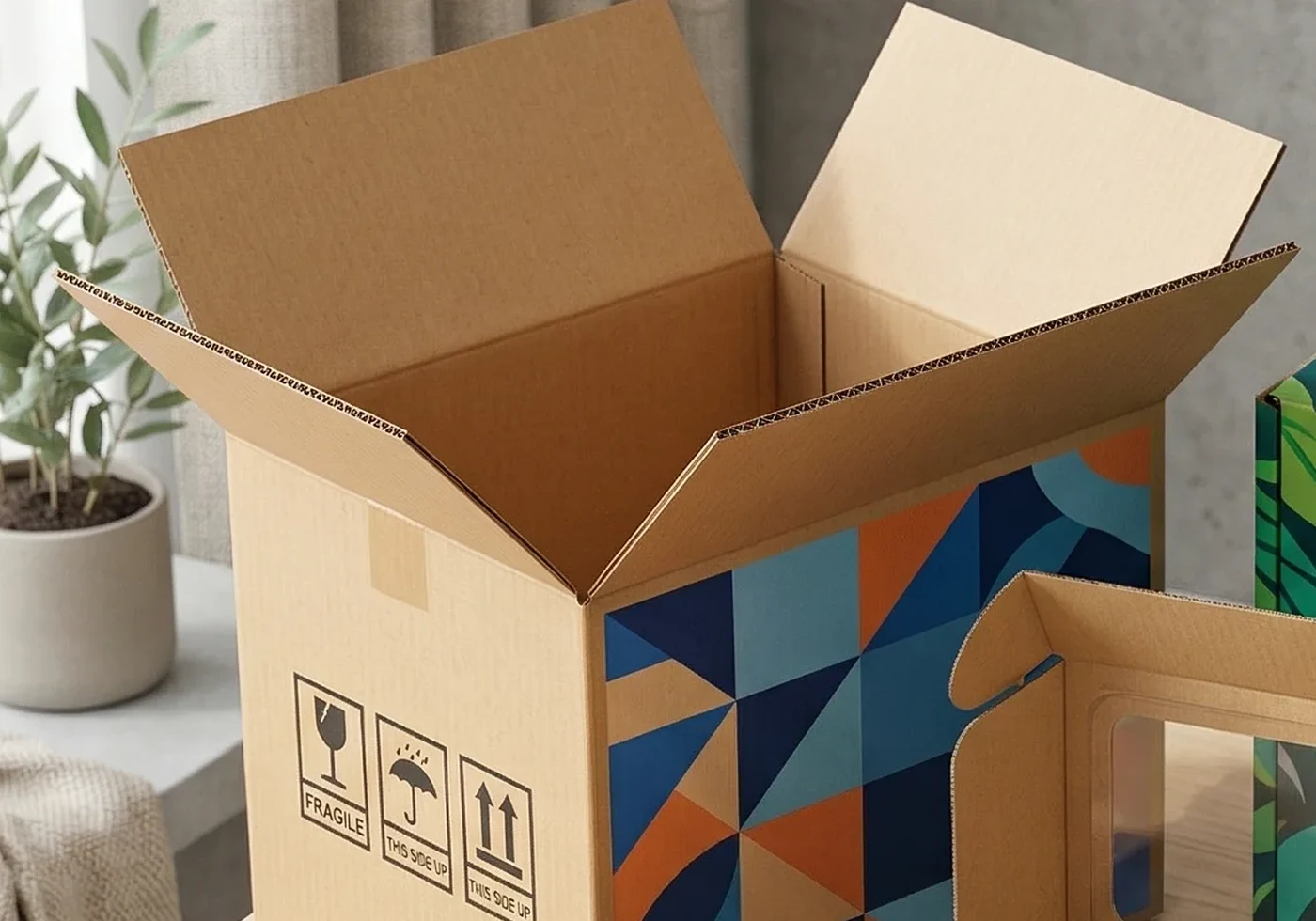
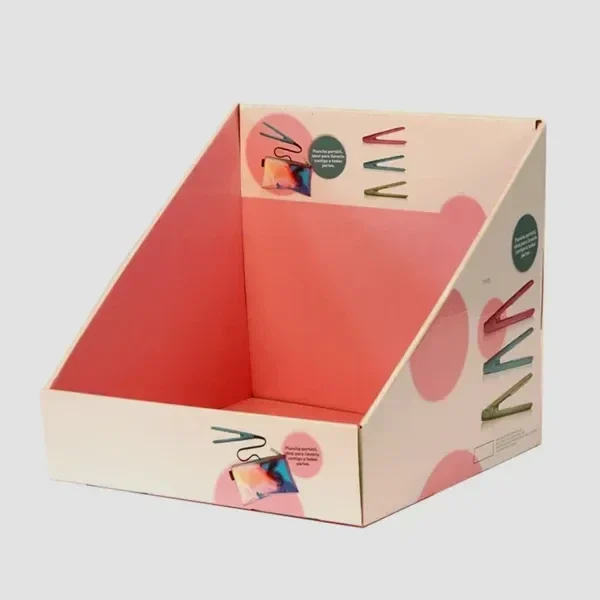
A logo can be the starting point, but branded packaging usually needs more than a mark placed in the center of a panel. A strong print layout considers the front-facing panel, opening sequence, product information, inside-print opportunities, barcode or label zones, and areas interrupted by folds, seams, windows or closures.
If your artwork is still being developed, begin with the dieline and product dimensions first. Designing on the correct structure helps prevent important artwork from landing on folds, glue areas or trim zones.
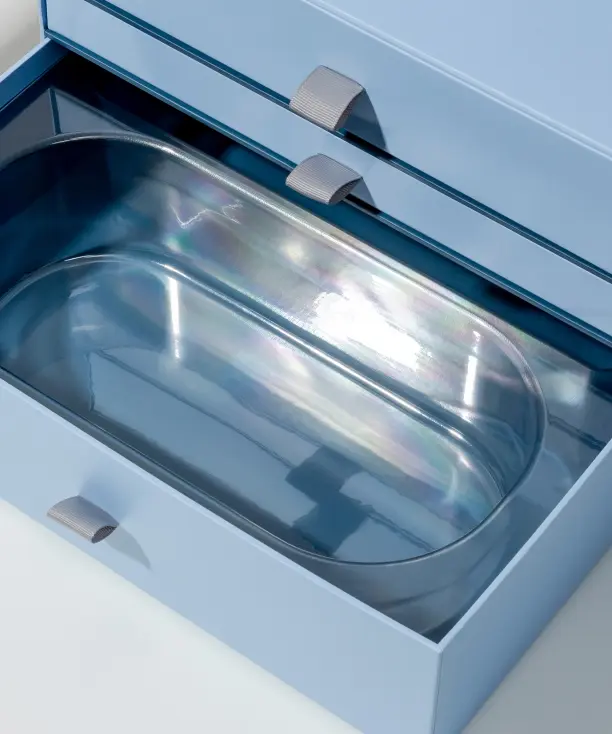
The right printing method depends on box material, artwork, order size, color requirements, finishing plan and production setup.
Final method recommendations should be confirmed against the actual stock, structure, quantity and production capabilities.
CMYK process printing builds colors from cyan, magenta, yellow and black inks. Pantone spot color uses a specified premixed ink color. For artwork with photographs, gradients or many colors, CMYK is often the practical starting point. When a specific brand color needs tighter control, a Pantone/PMS reference may be considered if the selected production method supports it.
Color should not be approved from a screen alone. Material tone, coating, finish and print process can change how a color appears, so critical brand colors should be discussed during proofing.
Choose the material for the product and use case first, then confirm how artwork and finish will behave on that surface.
A practical direction for folding cartons and many retail products where print area and folding efficiency matter.
Explore paperboardA stronger structural direction for mailers and shipping boxes where protection and branding work together.
Explore corrugatedA natural visual surface; printed color appearance should be evaluated against the kraft base tone.
Explore kraftA presentation-focused construction for premium packaging where wrapped surfaces and inserts can form part of the build.
Explore rigid boardMaterial affects print behavior, protection, weight and presentation. Start with the package job, then compare a compatible finish in the Finishes Lab.
Compare structure, base color and finish direction before the final printed-box dieline, artwork placement and production specification are confirmed.
You do not need a perfect production file to start a quote, but accurate project information makes the print plan easier to evaluate.
If you already have a dieline, send it with the artwork. If you do not, define the structure before final artwork placement.
Share product, dimensions, quantity, intended style, artwork status, print needs and delivery details.
Map panels, folds, closures, glue areas, windows and insert requirements before final artwork placement.
Confirm the production route, CMYK/Pantone requirements and applicable finishing details.
Check copy, artwork placement, dimensions and visual direction before approval.
Move through the applicable print, finishing, quality-control and dispatch process after approval.
The same print treatment does not fit every buying journey. Let product category guide structure and visual detail.
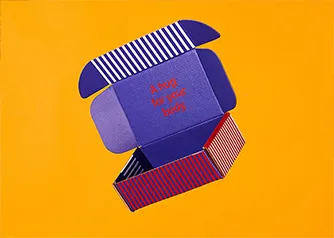
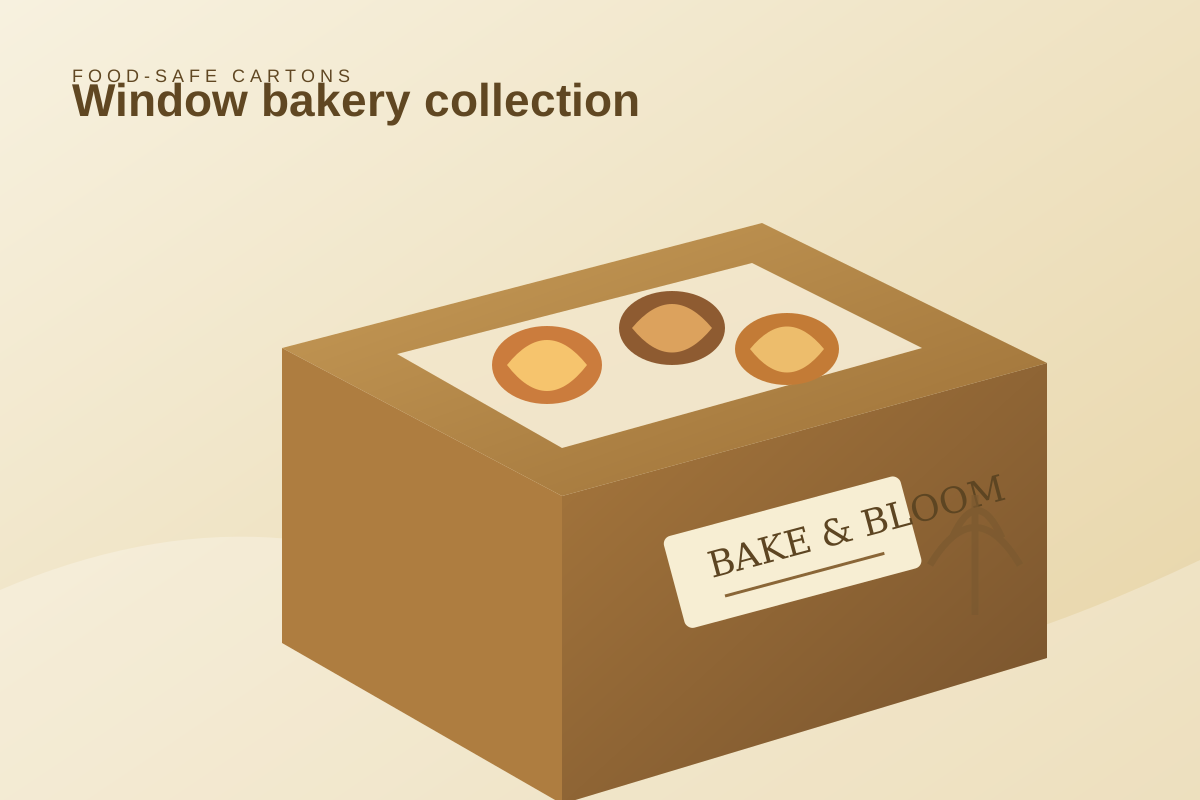
Need another product category?
Explore Packaging by IndustryPricing is project-specific because structure, size, material and print requirements work together. Compare quotes against the same specification.
If cost is the main constraint, ask which structural or finishing changes reduce complexity without weakening the packaging job.
Include the delivery ZIP code, quantity, product dimensions and target date in the first brief. Those details help separate design decisions from production and delivery planning for launches, ecommerce campaigns, events, seasonal releases and recurring orders.
Do not rely on claims such as “Los Angeles factory,” “local LA manufacturing” or a physical Los Angeles office unless those facts are documented.
Start by reducing unnecessary material and choosing a structure that fits the product efficiently. Then evaluate actual board, recycled-content, coating, ink or finish documentation available for the project.
Avoid broad claims such as “100% eco-friendly” unless the specific material and end-of-life claim can be supported.
Explore Sustainable PackagingClear answers about artwork, color, quantities, proofing and production planning.
Send the product details you know now. If you are unsure about the box style, material or print method, leave those decisions open and explain how the packaging will be used.
How to Use AI for Packaging Design to Create Smarter and Faster Product Packaging
Read More
What Are the Best Packaging Material Options for Online Shipping?
Read More
Where Can I Order Custom Boxes with Logo?
Read More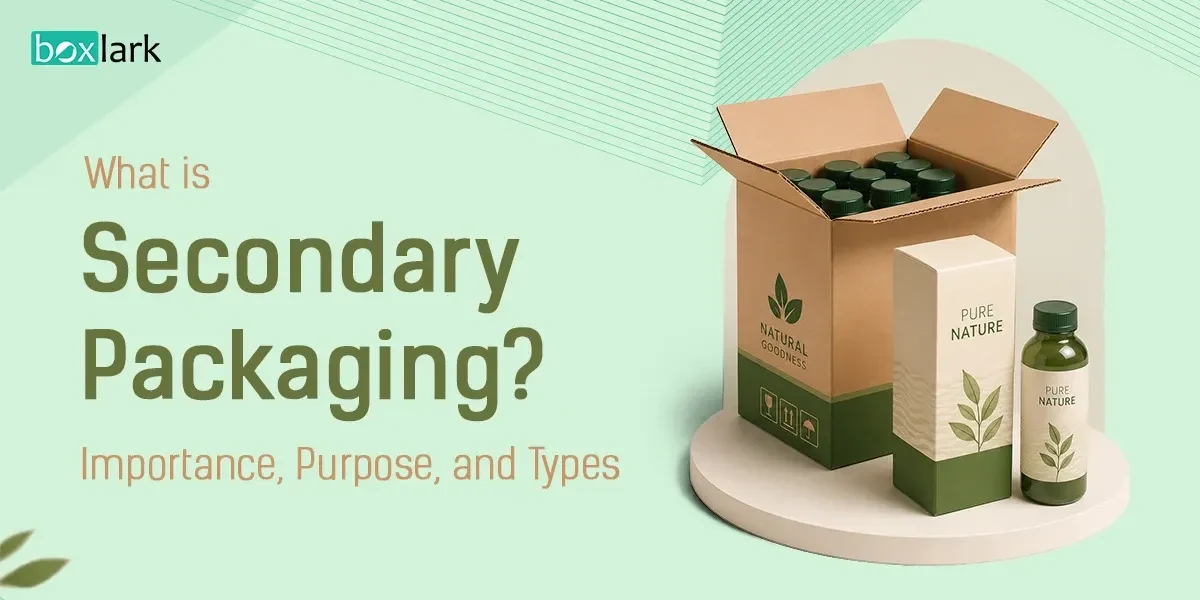
What is Secondary Packaging? Importance, Purpose, and Types
Read More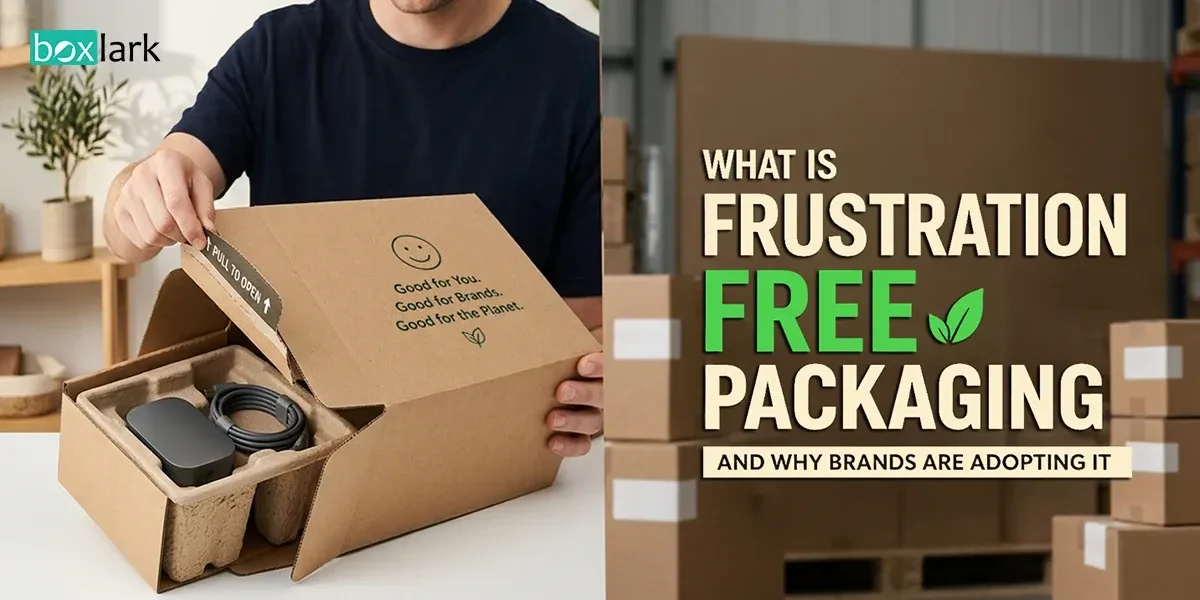
What is Frustration Free Packaging and Why Brands Are Adopting It
Read More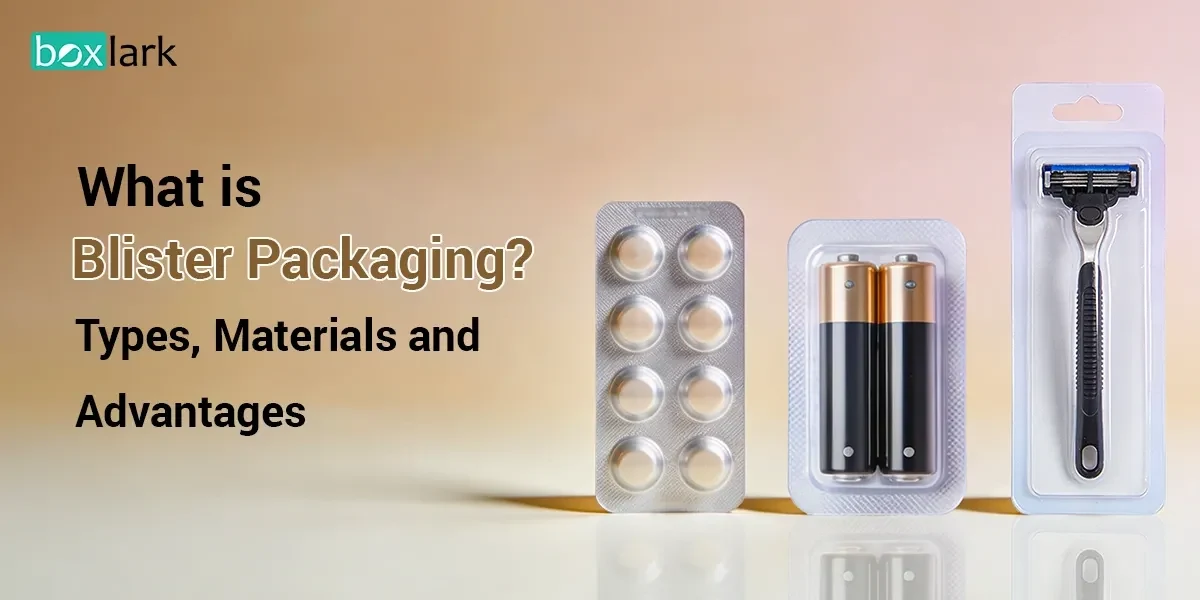
What Is Blister Packaging? Types, Materials, and Advantages
Read More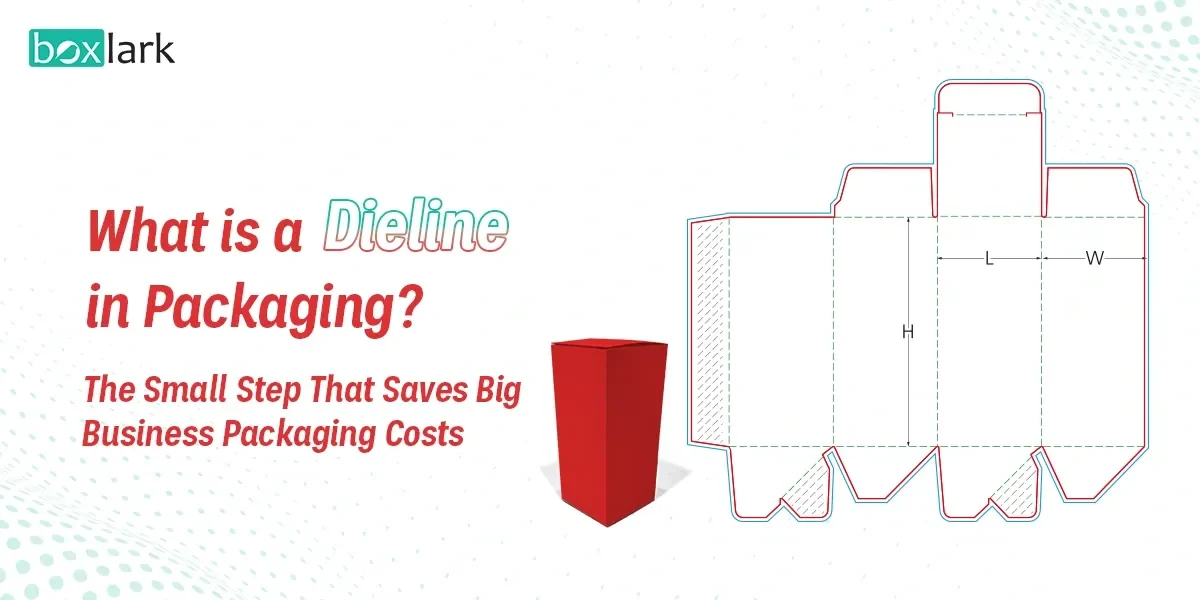
What Is a Dieline in Packaging? The Small Step That Saves Big Businesses
Read More
How Custom Packaging Can Maximize Your 4th of July Sales in 2026
Read More
Updated Guide on Cigarette Box Dimensions 2026
Read More
Litho vs Flexo Box Printing: Which is Best for Packaging?
Read MoreStart with the product, structure and real use case. Then build artwork, color and finish around those decisions so the printed box works as packaging first and branding second.