Custom packaging for Los Angeles brands +1 (800) 811-5541
WhatsApp Request a Quote
CORRUGATED PACKAGING

Custom Corrugated Boxes & Board Packaging in Los Angeles

Corrugated packaging uses flat liner sheets around a fluted paper medium to create a board system with more thickness and structural protection than standard paperboard. The right specification depends on the product load, box style, stacking, handling journey, print needs and how much empty space the package must control.

Start with what the package has to survive — then choose the flute, wall construction, dimensions and print around that job.

  • Board systemLiner + flute + liner
  • Key decisionLoad + journey
  • StructuresShipper / mailer / die-cut
  • PerformanceSpecification-led

Final dimensions, materials, print routes and performance claims are confirmed against the actual project specification.

Direct Answer

What Is Corrugated Board?

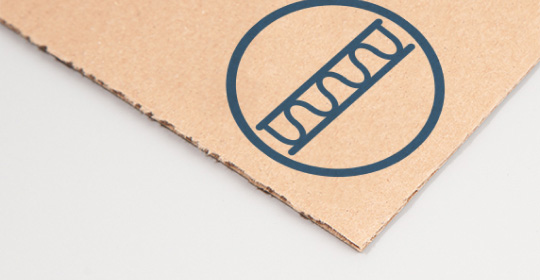
Corrugated board is made from liner sheets bonded to a fluted paper medium. The flute creates spacing and geometry that can add cushioning, rigidity and compression performance while keeping the package relatively lightweight.

The word corrugated describes the board construction, not one fixed strength. Flute profile, liner and medium papers, wall construction, box dimensions and structure all change the final performance.

Corrugated liner and flute cross-section
Specification Framework

Specify Corrugated in the Right Order

01

LINER

Define inner and outer surface requirements for print, color, scuff and exposure.

02

FLUTE

Choose the fluted medium profile for the balance of thickness, cushioning and print surface the job needs.

03

WALL

Decide whether single-wall or a more complex construction is justified.

04

LOAD

Record product weight, point loads, stacking, palletization and internal movement.

05

JOURNEY

Map parcel, pallet, warehouse, retail, export or fulfillment conditions.

Flute Explainer

What Does the Flute Change?

Larger flute profiles generally create more thickness and cushioning potential, while smaller flutes can create a flatter surface that may support finer graphics and compact retail or mailer applications. The actual result varies with liner, medium, wall construction and converting.

Do not select a flute from the letter alone. Start with what the finished board is expected to do.

Wall Construction

Single-Wall or Double-Wall?

Single-wall corrugated uses one fluted medium between liners and is common across many mailer and shipping applications. Double-wall combines additional liners and fluted mediums for projects that need more structural performance.

More layers also add material, thickness and cost and do not compensate for poor sizing or an unsuitable box structure.

Performance Metrics

ECT and Burst Are Specifications — Not Marketing Badges

EDGE CRUSH TEST (ECT)

Relates to edgewise compression performance of corrugated board and is often considered when stacking or compression matters.

BURST / MULLEN-STYLE

Relates to resistance to rupture under pressure.

SYSTEM CHECK

Neither number alone promises product protection. Board test, box design, dimensions, humidity, stacking, closure and the real distribution environment all contribute.

Box Style Paths

Turn the Board Into the Right Corrugated Structure

CUSTOM SHIPPING BOXES

RSC and related shipping-case directions for efficient containment, sealing and distribution.

Shipping Boxes →

CUSTOM MAILER BOXES

Die-cut corrugated structures with integrated folding or locking features for ecommerce and presentation.

Mailer Boxes →

DIE-CUT CORRUGATED

Custom structures when product fit, tabs, slots, handles, retention or pack-out needs go beyond a standard case.

Box Styles →

CORRUGATED DISPLAYS

Point-of-sale structures where load, graphics and replenishment must work together.

Display Boxes →
Right-Sizing & Void

Do Not Solve Empty Space With Heavier Corrugated

An oversized box can create product movement, extra void fill, more material and larger shipping dimensions. Before increasing board strength, check whether the product can be packed more efficiently through better dimensions, orientation, partitions or an insert.

Right-sizing is a system decision: product fit, cushioning, pack speed, label space, carrier constraints and damage risk all have to remain acceptable.
  • Review packed product dimensions
  • Map movement and contact points
  • Check insert or partition opportunities
  • Preserve sealing and label space
  • Validate warehouse and distribution workflow
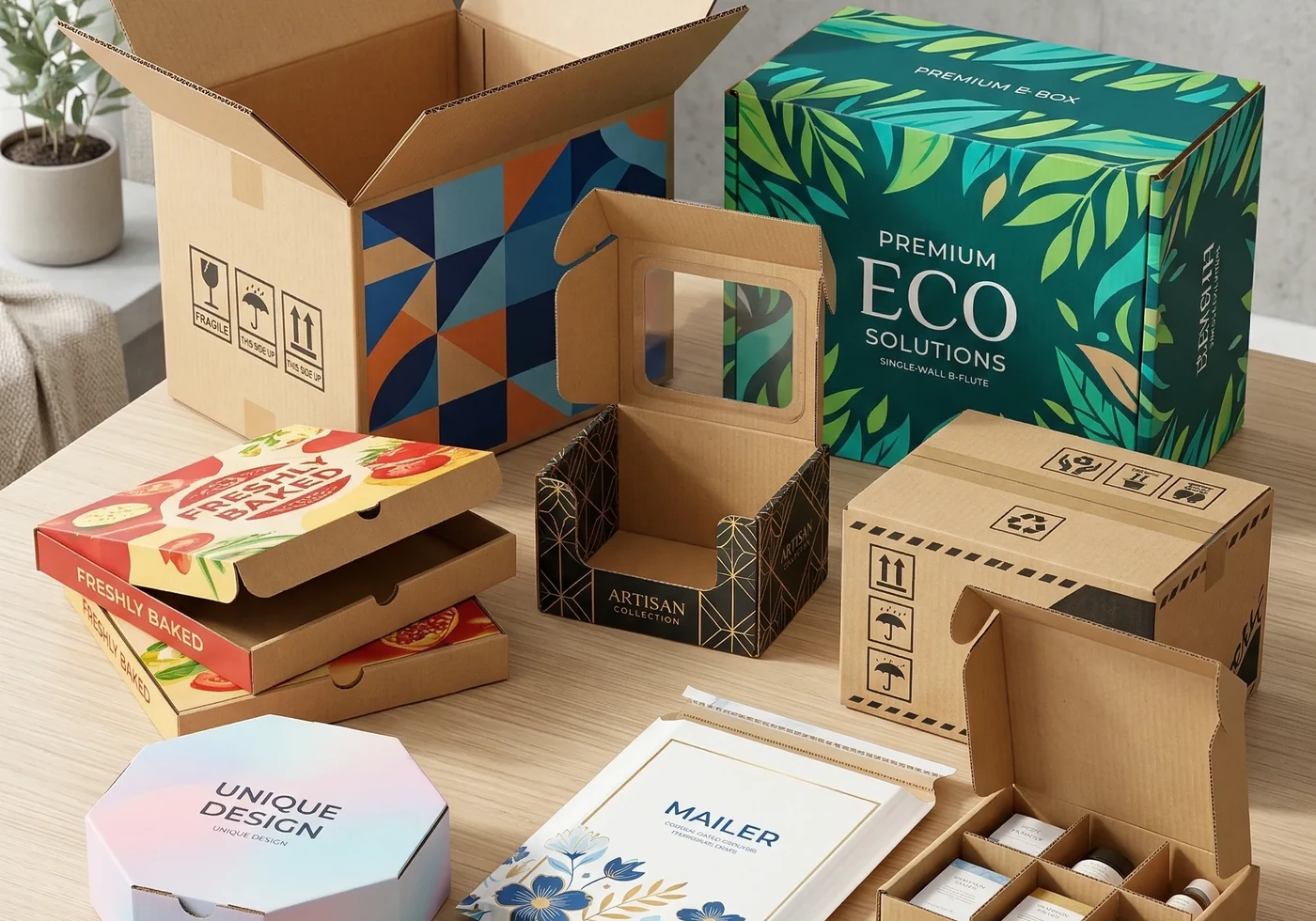
Multiple corrugated packaging sizes and structures
Internal Load Control

Control the Load Inside the Corrugated Box

PARTITIONS

Separate products and control lateral movement.

PADS

Create layers or distribute contact surfaces.

CORRUGATED INSERTS

Hold orientation or create fitted cavities.

TRAYS

Organize multiple units inside the outer case.

VOID CONTROL

Use only the clearance the protection strategy requires.

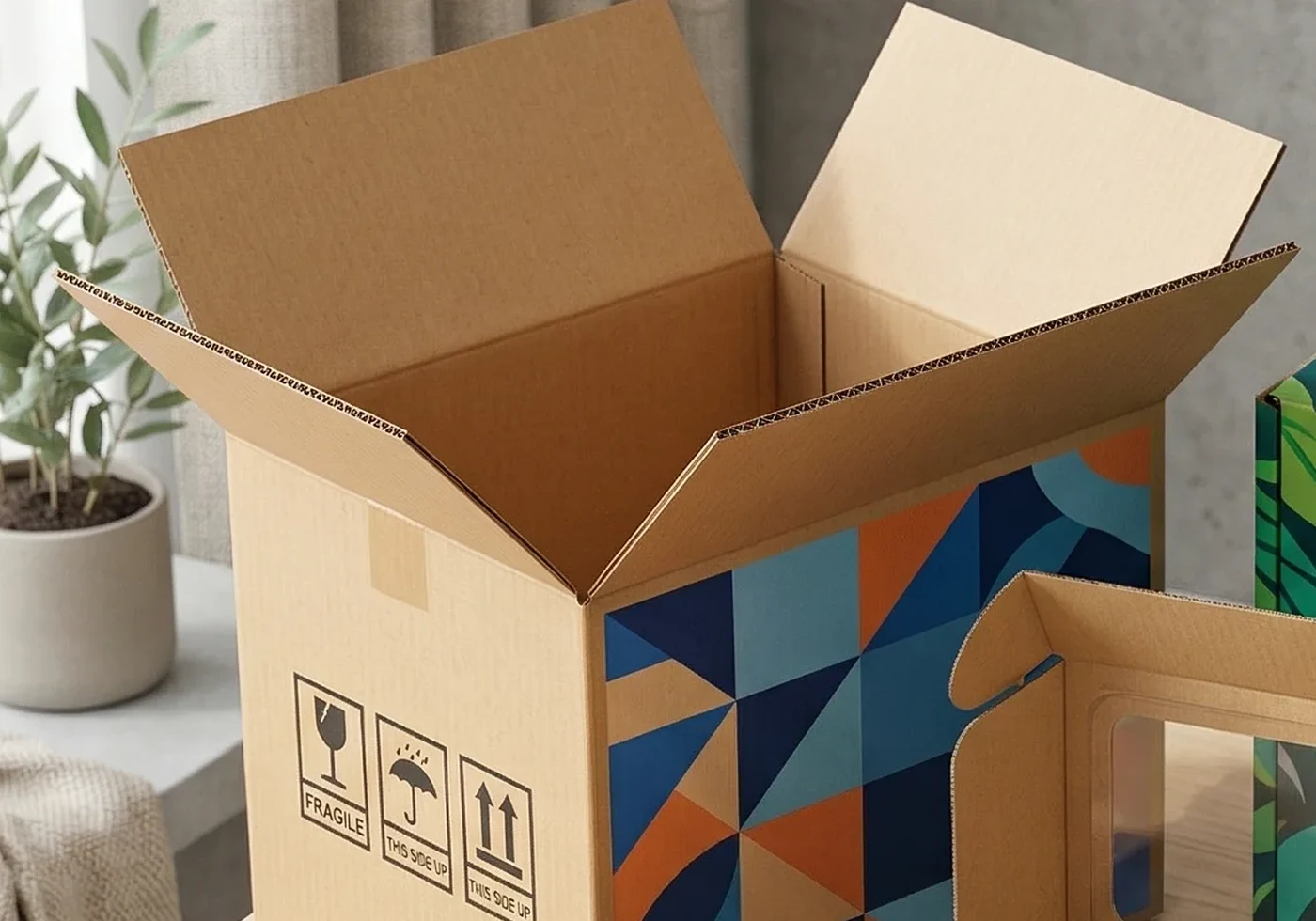
Printed corrugated shipping box with branding
Printing on Corrugated

Choose the Print Route Around the Graphic Standard and Board

Corrugated packaging can carry simple handling marks, logos, full-color branding and high-graphic retail presentation, but the best print route changes with liner surface, flute, quantity, artwork and finish.

Direct flexographic, digital corrugated, lithographic label or lamination and other routes can create very different cost and graphic outcomes. Only verified production routes should be treated as selectable capabilities.

Material Comparison

Corrugated or Paperboard?

Use corrugated when shipping, stacking, handling or cushioning pushes the package toward a fluted structure. Use paperboard when the product is lighter and detailed print, compact folding and retail presentation are larger priorities.

Compare Paperboard →
Distribution Environment

Moisture and Handling Conditions Can Change Corrugated Performance

Paper-based materials can respond to moisture and humidity, so cold storage, refrigerated products, long warehouse dwell times or wet handling may require a different material, coating or testing discussion.

Sustainability

Verify the Finished Corrugated Package — Not Just the Brown Surface

Environmental claims depend on the exact liners, medium, coatings, inks, adhesives, labels and inserts. Right-sizing and material efficiency can reduce fiber use before any claim is added.

Explore Sustainable Packaging →
Los Angeles Route

Build the Corrugated Brief Around the Distribution Journey

Tell us whether the package moves through parcel carriers, local delivery, pallet freight, a fulfillment center, retail distribution or another route. Include delivery ZIP code, product weight, units per box, pallet or stacking expectations and target in-hand date.

Commercial Planning

What Affects the Cost of Custom Corrugated Boxes?

BOX DIMENSIONS

Finished size and total board area.

BOARD SYSTEM

Liner, medium, flute and wall construction.

STRUCTURE

RSC vs die-cut style and tooling complexity.

QUANTITY

Run size by box size and artwork.

PRINT

Method, colors and coverage.

COMPONENTS

Partitions, inserts, pads, handles or other parts.

TESTING

Performance or sample requirements.

DELIVERY

Packing, palletization and Los Angeles destination.

Specification & Reorder Control

Save More Than the Box Dimensions

A repeat corrugated order needs the board system, box structure, artwork and internal components recorded together.

  • Inside dimensions and dimension-order convention
  • Box style / FEFCO or internal reference where used
  • Board construction, flute / wall and supplier grade
  • Verified ECT / burst requirement if applicable
  • Print method, artwork revision and color reference
  • Joint / closure / seal requirement
  • Insert / partition / pad specification
  • Approved sample or test reference
  • Pack count, pallet / receiving notes and destination

Frequently Asked Questions About Custom Corrugated Boxes

Specification-led answers about flute, walls, structures, printing and distribution.

Project Brief

Request a Custom Corrugated Box Quote in Los Angeles

Describe the product and distribution journey first. If you already know the board, flute, performance spec or current box specification, include it; otherwise start with the load and use case.

Build Your Project Specification

Next Step

Specify the Board Around the Journey, Not the Box Color

The useful corrugated specification connects liner, flute, wall construction, product load and distribution route. Lock those decisions with the box style and artwork so performance and reorders can be compared on the same basis.