
PAPERBOARD
A solid paper-based sheet used for many folding cartons and retail packages.
Folding Cartons →
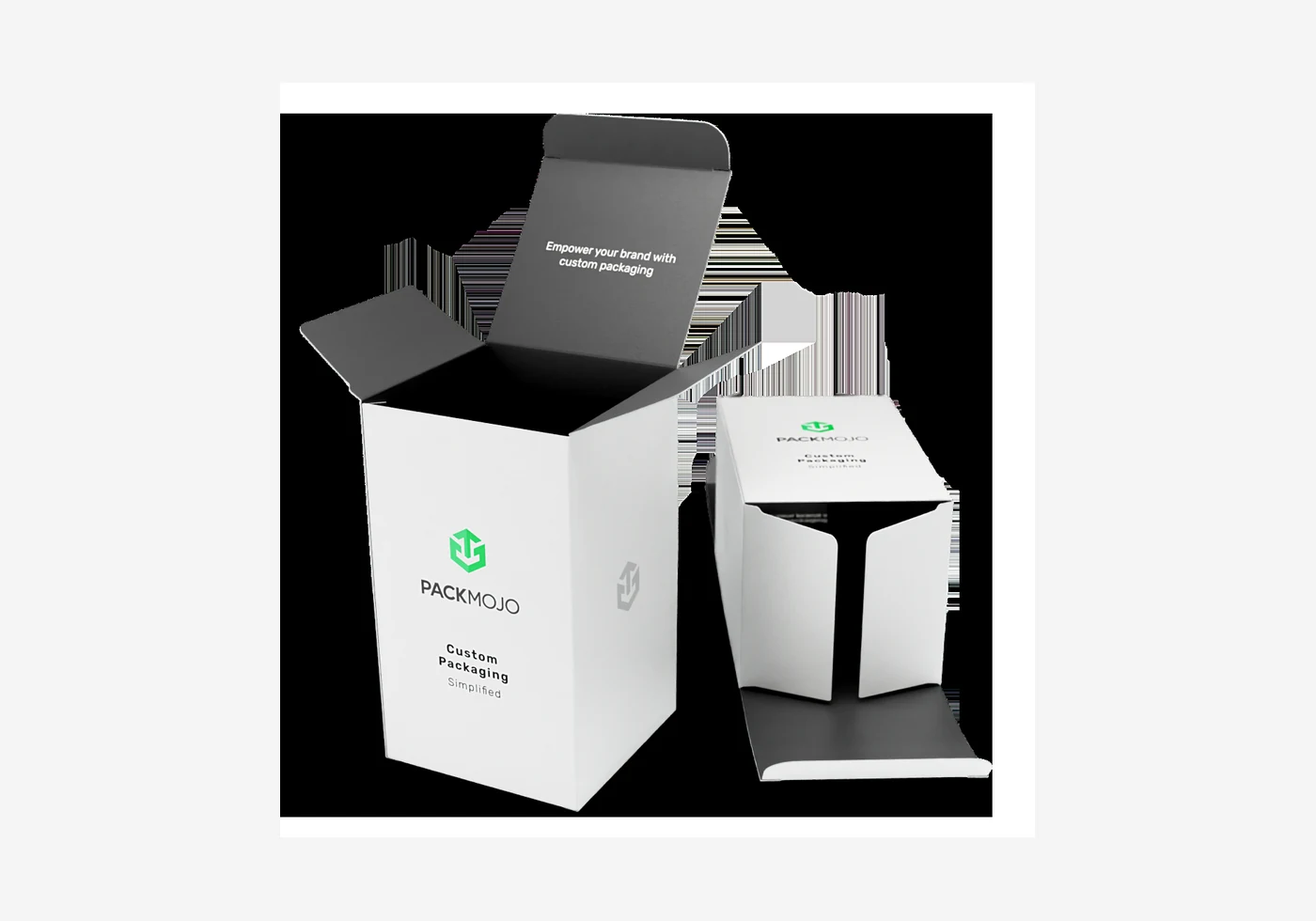
If you are searching for “cardboard boxes,” the first useful question is which paper-based construction you actually need. This page focuses on paperboard — the lighter, crease-and-fold material commonly used for printed folding cartons and many retail product packages.
Choose the board around product load, print surface, folding behavior and finish requirements, then record the exact approved grade and thickness for production and reorders.
Final dimensions, materials, print routes and performance claims are confirmed against the actual project specification.
“Cardboard” is broad buyer language. For quoting and reorders, use the exact material name and specification.
These are industry categories, not a promise that The Packaging Works stocks every grade. Final availability is confirmed during quotation.

Paperboard caliper affects stiffness, panel feel and how much material must bend through a score, but performance also depends on board grade, fiber orientation, panel size and carton geometry.
Grain direction can influence folding behavior and stiffness across panel directions. Evaluate the board on the actual dieline rather than choosing thickness from a generic chart.
A bright coated surface can support clean small text, photography and saturated color differently from an uncoated or natural surface. The base shade can influence how inks appear, and heavy coverage or specialty finishes can change cracking, scuff and end-of-life considerations.
Before approving a brand-critical color, review it on the intended stock and finish rather than assuming a screen proof represents the final paper surface.
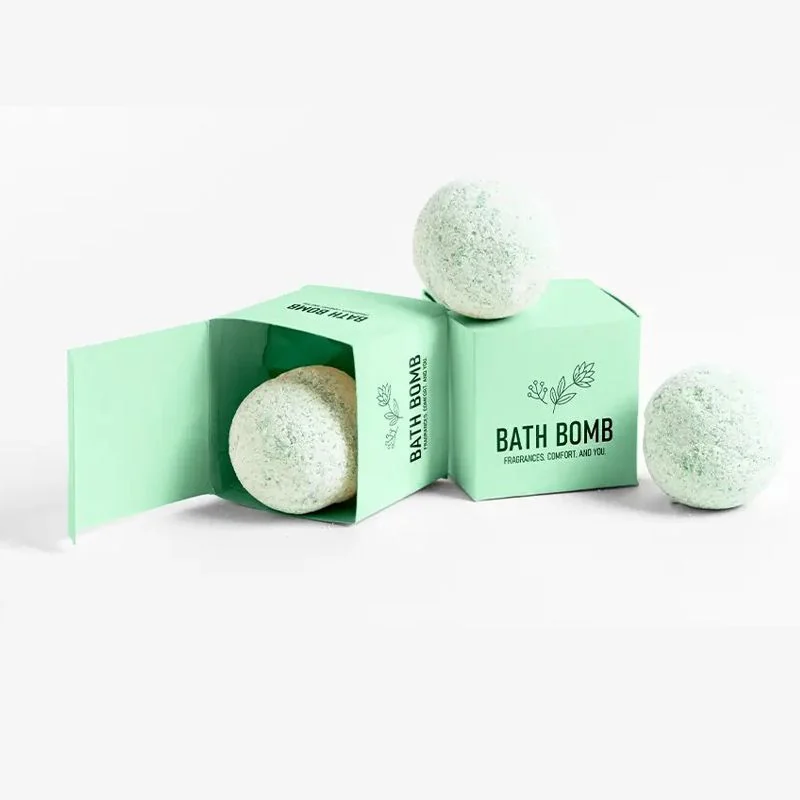
Folding cartons are converted by die-cutting, scoring or creasing and gluing. If the board, score width, grain direction or finish is mismatched, folds can look rough, coatings can crack and panels may not square correctly.
Explore Folding Cartons →Lamination, coatings, foil, embossing, debossing, Spot UV, windows and specialty effects can change how a paperboard package looks and converts. Compatibility depends on the exact stock, print route, artwork and folds.
Paperboard is efficient when the package needs to fold, store flat and carry detailed graphics. Rigid board is a different construction used for set-up presentation boxes where substantial feel and product reveal may justify more material, assembly and storage volume.
Explore Luxury Packaging →Consider another construction for heavy concentrated loads, repeated rough parcel handling, significant cushioning, long unsupported spans, demanding moisture or barrier conditions, or permanently set-up luxury presentation.
Paperboard is fiber-based, but the finished package may also include coatings, laminations, windows, foils, adhesives and inserts. Recycled content, certified sourcing, recyclability and compostability must be verified for the exact board and finished construction.
Explore Sustainable Packaging →A reorder instruction that says “use the same cardboard” is not enough. Save the material as part of the approved packaging specification.
Include where cartons will be delivered, who will erect and pack them, how much flat-carton storage is available and whether finished products move to retail, ecommerce fulfillment or another distributor.
The board, crease geometry, closure and dieline form one system. Changing the material late in the project can change folding, glue, dimensions, print and cost.
Compare Folding Cartons →Material-first answers for buyers comparing board families, print surfaces and folding-carton use.
If you know the exact stock, include it. If you do not, start with the product, carton style and visual/print requirements and let the material decision follow the job.
Match the paperboard to the product, print, fold and finish. Then save that exact material with the dieline and proof so the next order starts from a verified specification.