
FIT
Product dimensions plus practical clearance.

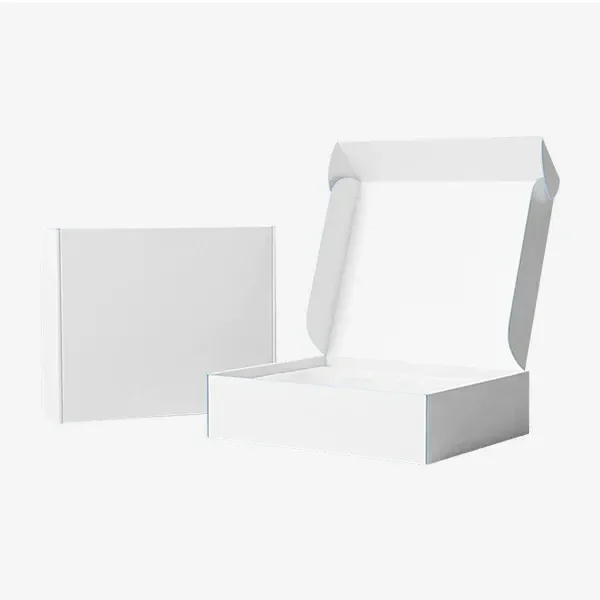
Create branded corrugated mailer boxes around your product dimensions, fulfillment workflow and unboxing experience. Custom mailers combine a die-cut folding structure with a broad printable surface, making them a practical starting point for ecommerce orders, subscriptions, PR kits and product bundles.
Choose the size, corrugated construction, print direction and internal fit around the actual product — then confirm the final specification before production.
A custom mailer box is a die-cut corrugated box that folds into a self-contained presentation and shipping format, usually using front flaps, side walls and locking tabs rather than the four-flap top and bottom of a standard shipping carton.
Because the structure can be printed and sized around the product, mailers are commonly used for ecommerce, subscription boxes, PR kits and branded product deliveries. Whether a mailer can travel through the shipping network without additional outer packaging depends on the product, board construction, closure, labeling and real distribution conditions.
Start with the product at its packed orientation, then add only the clearance required for inserts, wrapping, movement control and practical packing. Oversizing can increase material, void fill and shipping volume; undersizing can create compression, difficult assembly or damaged corners.
If the box holds multiple SKUs, group products by dimensions and fragility before creating too many box sizes.
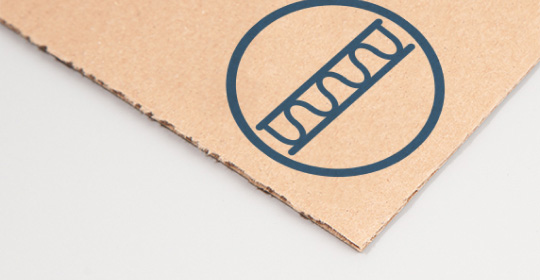
A mailer is not defined only by its dieline. Corrugated board combines liners with a fluted medium, and different constructions change thickness, rigidity, print surface, fold behavior and shipping performance.
Select the board around product weight, box dimensions, stacking/handling and desired print appearance. Do not treat one flute or thickness as universally “best.”
Some mailer structures are designed to close with integrated tabs, but closure security is only one part of shipping readiness. Product weight, size, board construction, movement, labels, tamper expectations and handling conditions all matter.
For higher-risk products, evaluate an additional seal, insert, protective wrap or outer shipping layer instead of assuming the die-cut lock alone is enough.
A premium-looking mailer can still fail if the product slides, collides or presents poorly when opened. Inserts, dividers or shaped paper-based components can help position products, separate items and create a more controlled reveal.
Design the insert with the outer mailer because its thickness changes the required internal dimensions.
DISCUSS INTERNAL FITMailer artwork crosses panels, folds, dust flaps and opening surfaces. Build graphics on the approved dieline and check which panels are visible when the box is closed, stacked, opened and photographed.
Interior printing can create a strong reveal when available for the selected production method, but it should be confirmed for the actual corrugated construction and order specification.
Mailer pricing is a specification outcome, not one fixed per-box number.
A small change in board, dimensions or print coverage can make two prices look comparable when the products are not.
REQUEST A MAILER BOX QUOTEFor a Los Angeles project, include the delivery ZIP code, receiving conditions, launch date and expected packing workflow in the brief. A mailer that works visually can still create friction if it takes too long to assemble, wastes storage space or is awkward for the fulfillment team.
If the same mailer will support influencer seeding, subscription renewals and direct ecommerce orders, define those use cases up front so the structure is not optimized for only one campaign.

Reducing unnecessary board area and empty space is often a more useful first step than adding a vague “eco-friendly” label. Then evaluate the actual corrugated fiber, recycled content or certification documentation, print/coating system and finished-package recovery claim for the specific project.
Dimensions, weight, fragility and fulfillment route.
Mailer dieline, corrugated construction and closure.
Insert/void-control decision and packed prototype.
Print zones, dieline version and visual approval.
Approved size, material, artwork version, quantity and delivery details.
Clear, standalone answers for common packaging decisions.
Start with the product and shipping journey. If you do not know the flute, board or final mailer dimensions yet, leave those fields open and provide the product information instead.
A good mailer is not just a printed box. Fit, corrugated construction, closure, internal movement and artwork all have to work together.