
FIBER
Identify the actual paper or board composition.

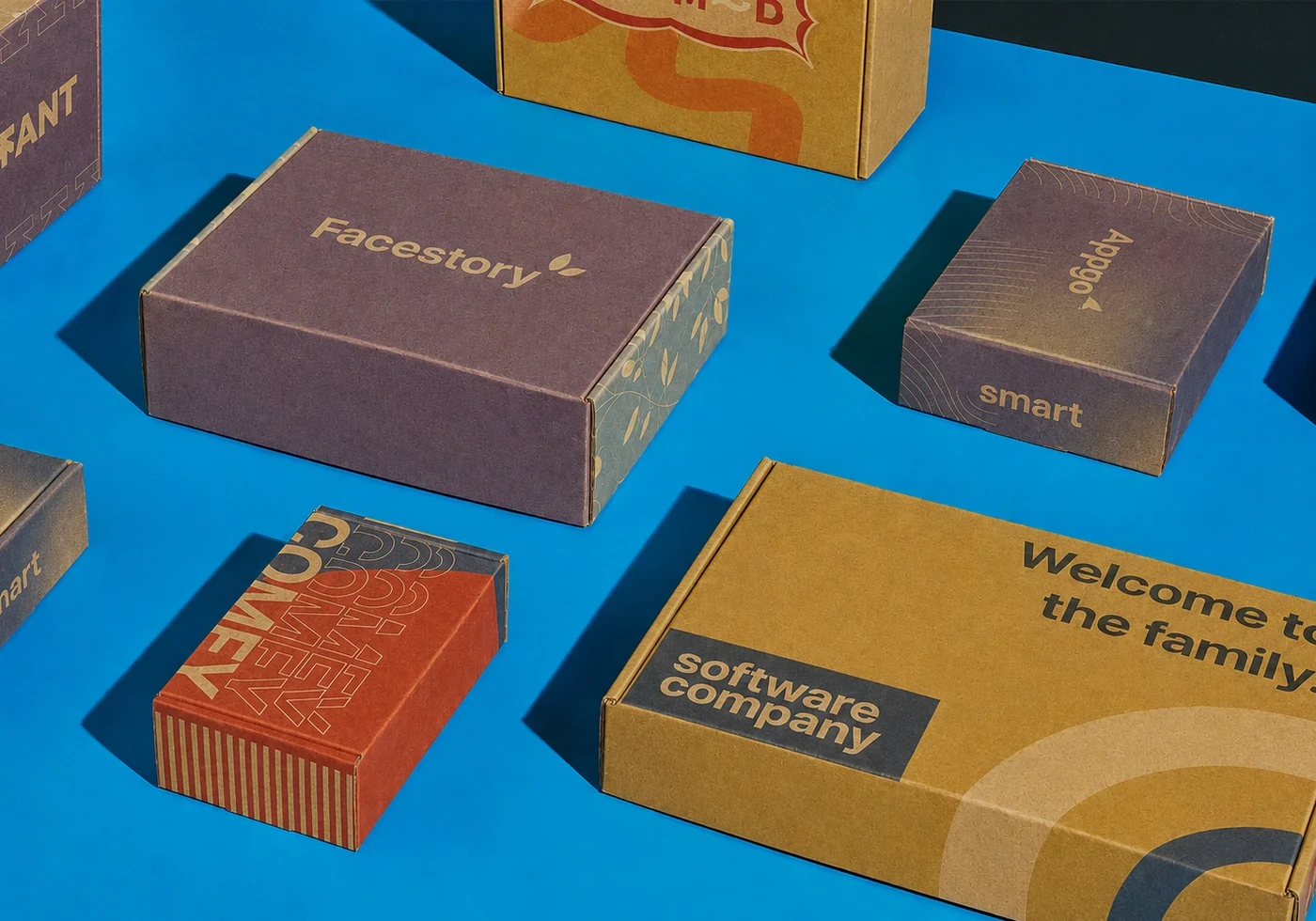
Kraft packaging is often chosen for its natural paper appearance, tactile surface and strong fiber-based brand direction—but the word “kraft” does not describe one universal box or environmental claim. A kraft folding carton, kraft corrugated mailer and kraft paper wrap can use different constructions and specifications.
Start with the product and box structure, then choose the kraft surface, print approach and verified material attributes that fit the job.
Final dimensions, materials, print routes and capability claims are confirmed against the actual project specification.
Kraft is a material direction, not a single box style or a sustainability shortcut.
Identify the actual paper or board composition.
Natural brown, white or another verified shade sets the print baseline.
Coated, uncoated, smooth or textured changes ink and finish behavior.
Decide whether the kraft material forms a carton, mailer, shipper or display.
Only then verify recycled content, certification or recyclability claims.
Brown appearance alone does not prove recycled fiber, FSC certification, recyclability, biodegradability or compostability. The exact finished specification and evidence control the claim.
Kraft paperboard is a solid-sheet direction used for folding cartons and lightweight product packaging. Kraft-colored or kraft-based liner can also be part of a corrugated board system with a fluted medium for mailers and shipping boxes.
Ask which construction the quote uses. The phrase kraft box by itself does not tell you whether the package is a folding carton or a corrugated shipper.
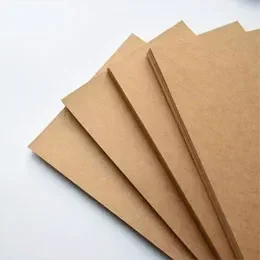
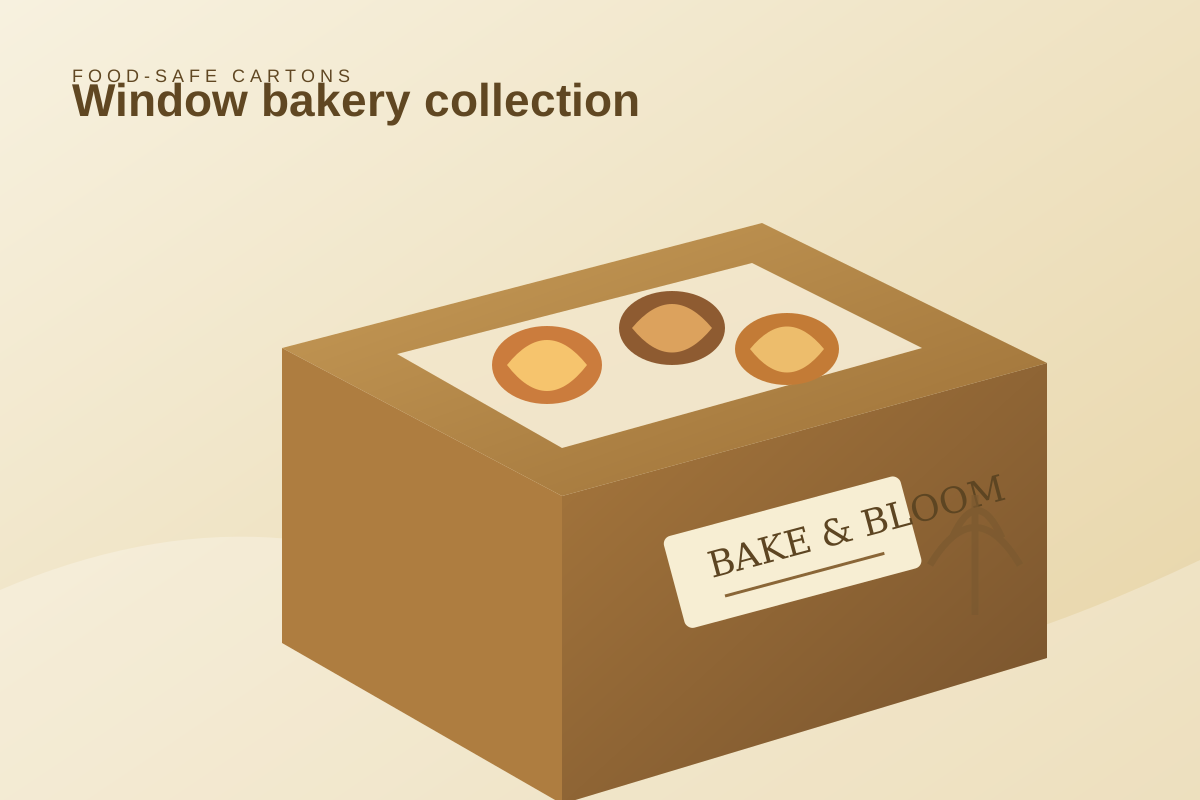
Ink on natural kraft does not sit on a bright white background, so colors can appear darker, warmer or less saturated than the same artwork on white coated paperboard.
A simpler palette, strong dark ink, a verified opaque-white route, selective foil or a label/sleeve can each create a different result. Proof the direction on the actual stock when color matters.
Choose natural kraft when its base color and texture are intentionally part of the brand system. Choose white paperboard when bright color reproduction, fine photography or a neutral print base matters more.
Neither surface is automatically more premium or more sustainable.
Compare paperboard options →Selective foil, embossing, debossing, labels, coatings or other finishes can create hierarchy while preserving the material character. Compatibility must be confirmed for the exact substrate and structure.
A natural kraft folding carton has different structural capability from a kraft-lined corrugated shipper. Significant transit protection, stacking or cushioning should be solved through the appropriate corrugated construction rather than simply using thicker brown board.
Choose white coated paperboard when precise bright color reproduction is central, corrugated when distribution performance dominates, or rigid packaging when a permanently set-up presentation and controlled reveal justify the complexity.
Save the exact material system with the artwork so the next order starts from a repeatable reference rather than a brown-color description.
Construction, board grade, finished dimensions, quantity by SKU, print coverage, verified white/opaque ink needs, finishes, die-cut/glue complexity, samples and Los Angeles delivery all influence the commercial quote.
Include whether the package goes to retail, ecommerce fulfillment, food operations, a co-packer, subscription packing or wholesale distribution, plus delivery ZIP, quantity by SKU and target date.
Material-first answers that separate appearance from verified claims.
Tell us whether the natural paper surface should be part of the design and what job the box has to do. If you are unsure whether the package should be paperboard or corrugated, start with the product and sales/shipping channel.
Choose the fiber, color, surface and box structure first. Then verify the environmental claim and print system so the project becomes a repeatable specification rather than a vague brown-box direction.